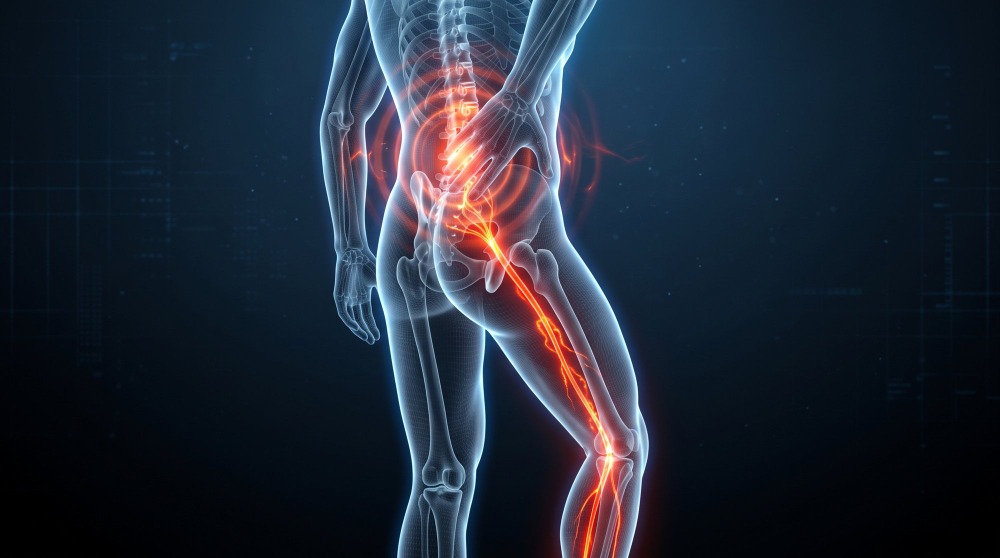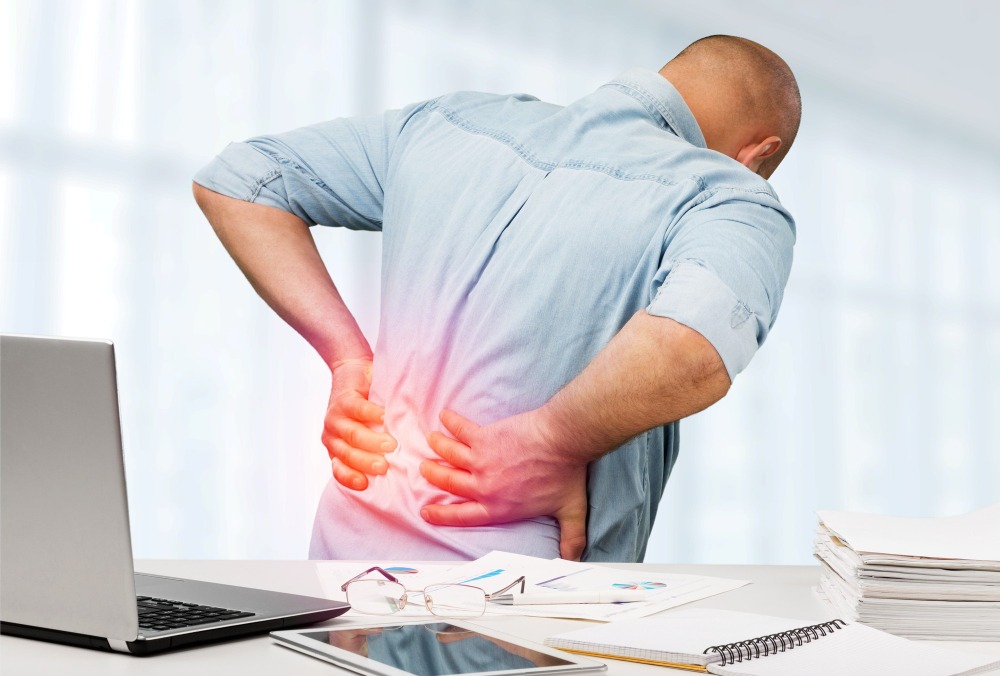

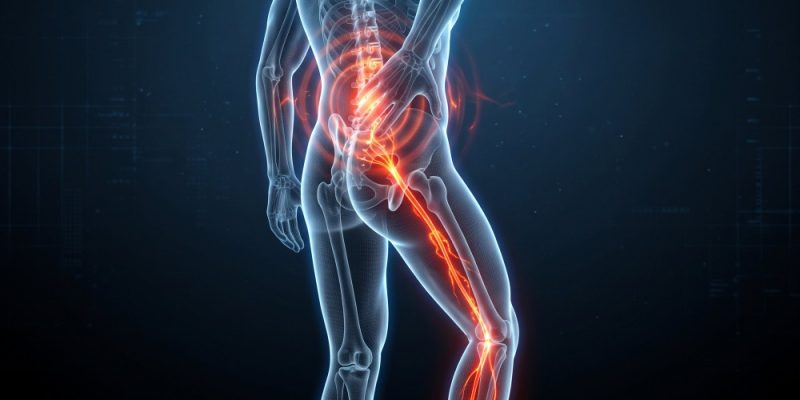
Sciatica is a condition that causes pain along the path of the sciatic nerve, which runs from the lower back through the buttocks and down each leg. It commonly affects one side of the body and may cause sharp pain, tingling, numbness, or weakness. For some people, the discomfort is mild, while others experience symptoms that interfere with walking, sitting, sleeping, and everyday activities.
Understanding the causes and early symptoms of sciatica can help you seek appropriate medical attention. If you experience persistent lower back pain that spreads into your leg, consulting a qualified healthcare professional can help identify the underlying cause. People looking for orthopedic care in Chennai may also explore Dr. Hariharan’s Ortho Clinic (Best Ortho Doctor in Chennai) when considering a consultation for back pain or related symptoms.
What Is Sciatica?
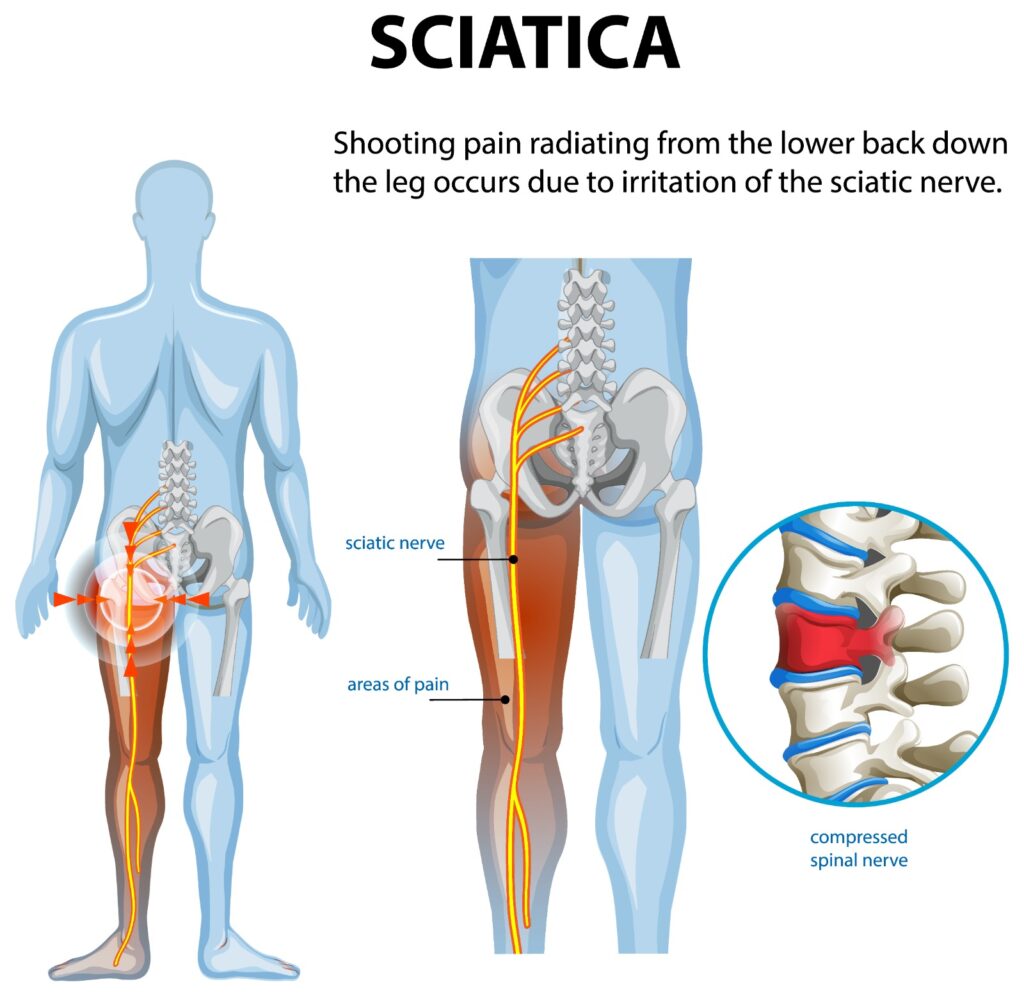
Sciatica refers to pain caused by irritation or compression of the sciatic nerve or its nerve roots. The sciatic nerve is the largest nerve in the body and plays an important role in sensation and movement in the lower limbs.
Sciatica is not a disease on its own. Instead, it is a symptom of an underlying problem, often involving the lower spine.
The pain may begin in the lower back or buttock and travel down the back of the thigh and into the leg. Some people experience tingling or numbness, while others notice muscle weakness.
Symptoms vary depending on the cause and severity of nerve irritation. A proper medical assessment can help determine the source of the pain and guide treatment.
Common Causes of Sciatica
Several conditions can irritate or compress the nerve roots that contribute to the sciatic nerve. Identifying the underlying cause is essential for choosing an appropriate treatment plan.
1. Herniated or Slipped Disc
A herniated disc is one of the common causes of sciatica. The discs between the spinal bones act as cushions and help the spine move comfortably.
When part of a disc protrudes or its inner material moves through a weakened area, it may press on nearby nerve roots. This can cause pain that travels from the lower back into the buttock and leg.
Some people also experience tingling, numbness, or weakness. Treatment depends on the severity of the symptoms and the findings of a clinical examination.
2. Spinal Stenosis
Spinal stenosis occurs when spaces within the spine become narrower, potentially placing pressure on nearby nerves.
It can develop due to age-related changes, thickening of supporting tissues, or other structural problems. Symptoms may include leg pain, numbness, or weakness, particularly during prolonged standing or walking.
A healthcare professional can determine whether spinal stenosis is contributing to your symptoms.
3. Degenerative Disc Changes
As people age, spinal discs may gradually lose some of their height and flexibility. These changes can sometimes contribute to nerve irritation or narrowing around the spinal canal.
Not everyone with degenerative disc changes experiences pain. When symptoms occur, a clinical assessment can help determine whether the spinal changes are related to the discomfort.
4. Spondylolisthesis
Spondylolisthesis occurs when one vertebra slips forward relative to the vertebra below it. In some cases, this movement can narrow the spaces around the nerves.
Possible symptoms include lower back pain, leg pain, stiffness, and difficulty standing or walking comfortably.
The severity of the condition varies, and treatment depends on the underlying cause and the extent of nerve involvement.
5. Injury or Physical Strain
Falls, accidents, heavy lifting, and sudden twisting movements can contribute to lower back problems that irritate nerve roots.
However, not every episode of back pain after physical activity is sciatica. A medical examination can help distinguish muscle strain from nerve-related pain and other conditions.
Common Symptoms of Sciatica
Sciatica can cause several symptoms depending on which nerve roots are affected. Recognizing these symptoms can help you decide when to seek medical advice.
Common symptoms include:
Pain radiating into the leg: Pain that travels from the lower back or buttock down one leg.
Tingling sensations: A pins-and-needles feeling in the leg or foot.
Numbness: Reduced sensation in parts of the buttock, leg, or foot.
Muscle weakness: Difficulty lifting the foot, moving the leg normally, or performing certain activities.
Pain during sitting: Symptoms that become more noticeable after sitting for a prolonged period.
Increased discomfort during movement: Pain that worsens with certain movements, coughing, or sneezing.
Sciatica commonly affects one side of the body. However, the exact symptoms depend on the cause and location of nerve irritation.
When Should You Consult an Orthopedic Doctor for Sciatica?
Mild sciatica may improve with time and appropriate care. However, persistent or worsening symptoms should not be ignored.
Consider consulting a healthcare professional if:
Pain continues to affect your daily activities.
Discomfort repeatedly travels from the lower back into the leg.
You experience persistent tingling or numbness.
Walking, standing, or sitting becomes increasingly difficult.
Symptoms continue despite appropriate self-care.
You notice new or increasing muscle weakness.
Seek emergency medical care immediately if you develop new difficulty controlling your bladder or bowel, inability to urinate, numbness around the groin or saddle area, or rapidly worsening weakness in the legs. These symptoms may indicate serious compression of the nerves in the lower spine.
Early assessment can help identify the cause of sciatica and determine whether additional investigations or specialist treatment are needed.
How Is Sciatica Diagnosed?
Diagnosing sciatica usually begins with a review of your symptoms, medical history, and physical examination. The healthcare professional may assess spinal movement, leg strength, sensation, reflexes, and movements that reproduce the pain.
Additional investigations may be recommended when the symptoms suggest a specific underlying condition.
Physical Examination
A physical examination can help identify signs of nerve irritation, reduced sensation, muscle weakness, or restricted movement.
MRI Scan
An MRI scan may be recommended when there are severe or progressive neurological symptoms, persistent symptoms that may require further treatment, or concerns about a serious underlying condition.
MRI imaging can help assess the spinal discs, nerve roots, and surrounding soft tissues.
X-rays
X-rays may be useful when a fracture, alignment problem, or other bone-related condition is suspected. However, they do not show spinal nerves and discs in the same detail as an MRI.
Not every patient with sciatica requires imaging. The decision depends on the clinical findings and whether the results are likely to change the treatment plan.
Treatment Options for Sciatica Pain
Sciatica treatment depends on the underlying cause, the severity of the symptoms, and whether nerve function is affected. Many cases improve without surgery.
1. Activity Modification
Avoiding activities that significantly aggravate symptoms may help during the initial phase. However, prolonged bed rest is generally not recommended.
Gradually returning to suitable daily activities, as tolerated, may support recovery. A healthcare professional can advise you on the appropriate level of activity.
2. Physiotherapy and Exercises
Physiotherapy may help improve mobility, strength, and function in people with sciatica. A physiotherapist can recommend exercises based on the suspected cause of nerve irritation.
Treatment may include gentle mobility exercises, strengthening activities, and movement guidance. Exercises should be adjusted if they increase pain, numbness, or weakness.
3. Medication
A healthcare professional may recommend medication depending on the symptoms, medical history, and possible side effects.
Not all pain-relief medicines are suitable for every patient. Avoid prolonged self-medication, particularly if you have other health conditions or take regular medication.
4. Other Non-Surgical Treatments
In selected cases, a specialist may discuss additional treatments, including certain injections, depending on the diagnosis and severity of symptoms.
The benefits and risks vary between treatments. Your doctor can explain which options may be appropriate and what results you can reasonably expect.
5. Surgical Treatment
Surgery may be considered in selected cases when nerve compression causes significant or progressive weakness, when an emergency condition is present, or when persistent disabling symptoms do not improve with appropriate non-surgical treatment.
The type of procedure depends on the underlying problem, such as a herniated disc or spinal stenosis.
An orthopedic spine specialist or another appropriately qualified specialist can explain the potential benefits, risks, recovery expectations, and alternatives before surgery is considered.
Tips to Help Prevent and Manage Sciatica
Although not every cause of sciatica can be prevented, healthy habits may help support spinal health and reduce unnecessary strain.
Stay physically active: Choose suitable activities that support general strength and mobility.
Maintain good posture: Use a comfortable sitting position and avoid remaining in one position for too long.
Lift objects carefully: Keep loads close to your body and avoid sudden twisting while lifting.
Strengthen supporting muscles: Follow suitable exercises recommended by a physiotherapist.
Take regular movement breaks: Stand up and move around during long periods of sitting.
Increase activity gradually: Avoid sudden increases in exercise intensity or heavy lifting.
Seek timely medical advice: Do not ignore persistent leg pain, numbness, or weakness.
These measures can support recovery and general spinal health, but they cannot guarantee that sciatica will be prevented.
Consult Dr. Hariharan’s Ortho Clinic for Sciatica Pain in Chennai
Sciatica can interfere with walking, sitting, sleeping, and other everyday activities. Understanding the underlying cause is an important step toward choosing an appropriate treatment approach.
If you are searching for Dr. Hariharan’s Ortho Clinic (Best Ortho Doctor in Chennai), consider contacting the clinic to enquire about consultations for lower back pain, radiating leg pain, and related orthopedic concerns.
Before booking, confirm the doctor’s qualifications, relevant experience, available diagnostic facilities, and whether the clinic provides assessment for your specific symptoms.
H&M Hospital may also be an option for medical evaluation, depending on the services available and your healthcare needs. Contact the relevant provider directly to verify appointment availability and the appropriate department for your condition.
If back pain spreads into your leg, affects your mobility, or is accompanied by numbness or weakness, seek appropriate medical advice rather than relying only on home remedies.
Frequently Asked Questions (FAQs)
1. What is the main cause of sciatica?
A herniated disc is a common cause of sciatica. Other causes include spinal stenosis and certain spinal alignment problems that irritate or compress the nerve roots.
2. Can sciatica go away without surgery?
Yes. Many cases improve with time and appropriate non-surgical care, such as activity modification, physiotherapy, and selected medication. Surgery may be necessary in certain cases involving serious nerve compression or persistent disabling symptoms.
3. How long does sciatica take to improve?
Recovery time varies according to the underlying cause and severity. Some people improve within several weeks, while others may experience symptoms for longer and require further evaluation.
4. Is walking good for sciatica?
Gentle walking may help some people remain active and maintain mobility. Start at a comfortable level and seek medical guidance if walking significantly worsens your symptoms or if you develop weakness.
5. When should sciatica be treated as an emergency?
Seek emergency care for new bladder or bowel control problems, inability to urinate, numbness around the groin or saddle area, or rapidly worsening leg weakness.
6. Which doctor should I consult for sciatica in Chennai?
A qualified healthcare professional can assess the cause of your symptoms and refer you to an appropriate specialist when necessary. Depending on the diagnosis, an orthopedic spine specialist or another relevant specialist may be involved.
Conclusion
Sciatica can cause pain that travels from the lower back into the buttock and leg, sometimes accompanied by tingling, numbness, or weakness. A herniated disc and spinal stenosis are among the conditions that may contribute to these symptoms.
Recognizing the warning signs and seeking appropriate medical advice can help identify the underlying cause and guide treatment. If your symptoms persist or interfere with everyday activities, consult a qualified healthcare professional. People exploring orthopedic care in Chennai can enquire about Dr. Hariharan’s Ortho Clinic and the relevant services available at H&M Hospital to determine an appropriate consultation option.
What Is Knee Osteoarthritis?
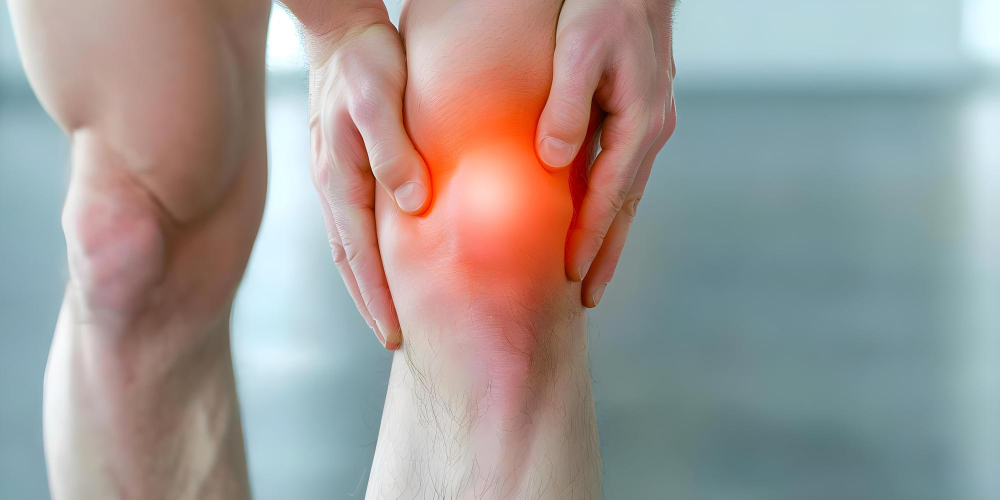
Knee osteoarthritis is a common joint condition that can cause pain, stiffness, swelling, and difficulty moving the knee. It occurs when the protective cartilage in the knee joint gradually deteriorates, affecting the way the bones move against each other. Although this condition is more common among older adults, it can also affect younger people, particularly those with previous knee injuries or other risk factors.
Recognizing the early symptoms of knee osteoarthritis can help you seek medical advice and explore appropriate treatment options. If knee pain affects your daily activities, consulting a qualified healthcare professional can help you understand the condition and manage its symptoms. People searching for orthopedic care in Chennai may also explore Dr. Hariharan’s Ortho Clinic (Best Ortho Doctor in Chennai) when considering a consultation for knee-related problems.