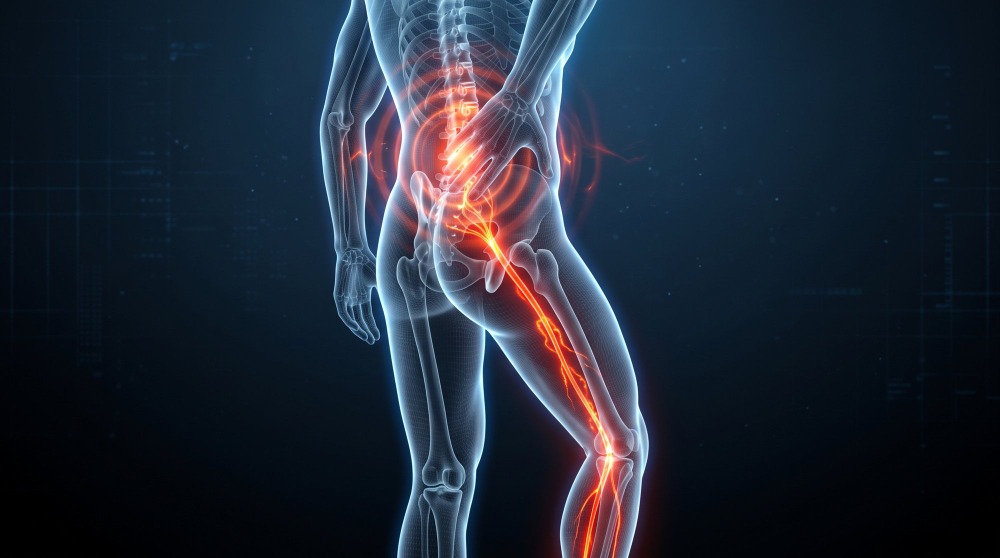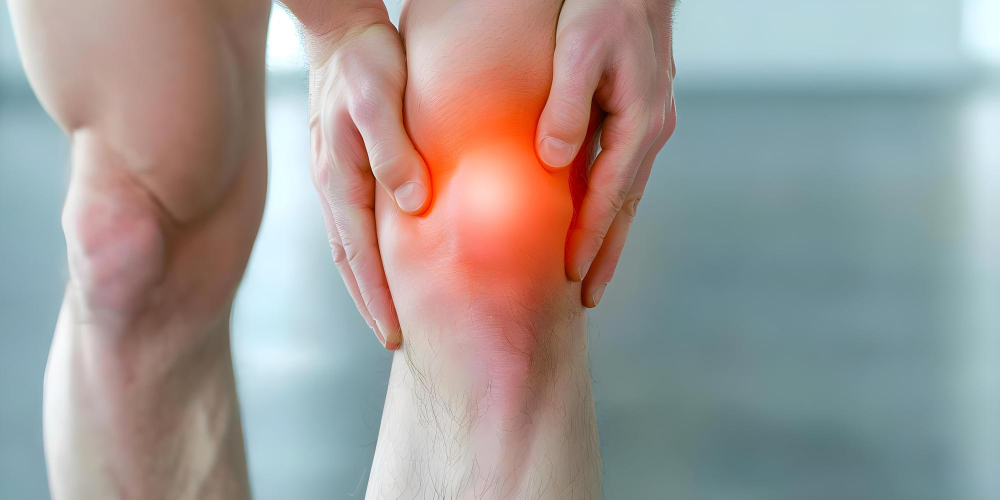


Knee pain is a common problem that affects people of different age groups. It can develop due to injuries, age-related changes, excessive physical activity, or underlying joint conditions. Although mild knee discomfort may improve with rest, persistent pain, swelling, or difficulty walking should not be ignored. Understanding the causes and early symptoms of knee pain can help you seek appropriate medical attention at the right time.
If you are experiencing ongoing knee discomfort, consulting an experienced orthopedic specialist can help identify the underlying cause and determine a suitable treatment plan. For individuals looking for orthopedic care in Chennai, Dr. Hariharan’s Ortho Clinic (Best Ortho Doctor in Chennai) is a relevant option to explore for professional orthopedic consultation.
What Is Knee Pain?
Knee pain refers to discomfort in or around the knee joint. The pain may develop suddenly following an injury or gradually due to wear and tear, inflammation, or repetitive stress. Depending on the cause, it can range from mild discomfort to severe pain that affects everyday activities.
The knee is one of the body’s largest weight-bearing joints. It supports body weight and helps with walking, running, climbing stairs, sitting, and standing. Therefore, maintaining good knee health is essential for mobility and overall quality of life.
Common Causes of Knee Pain
Several conditions can contribute to knee pain. Identifying the possible cause is an important step toward receiving appropriate treatment.
1. Osteoarthritis
Osteoarthritis is a common cause of knee pain, particularly among older adults. It develops when the protective cartilage within the joint gradually wears down. As a result, the bones may experience increased friction, leading to pain, stiffness, and reduced mobility.
People with knee osteoarthritis may notice discomfort while walking, climbing stairs, or getting up after sitting for a long time.
2. Sports Injuries
Sports and physical activities can sometimes cause injuries to the knee. Sudden twisting movements, awkward landings, or direct impacts may damage ligaments, tendons, or cartilage.
Common knee injuries include anterior cruciate ligament (ACL) injuries, meniscus tears, and ligament sprains. Prompt medical evaluation can help determine the severity of the injury and guide recovery.
3. Tendinitis
Tendinitis occurs when a tendon becomes irritated or inflamed, often due to repetitive movements or excessive physical activity. Patellar tendinitis, also known as jumper’s knee, commonly causes pain around the front of the knee.
Rest, activity modification, and appropriate medical guidance may help manage this condition.
4. Bursitis
Bursae are small, fluid-filled sacs that reduce friction between tissues around the joints. When these sacs become inflamed, the condition is called bursitis. It can cause swelling, tenderness, and discomfort around the knee, particularly when kneeling or bending.
5. Excess Body Weight
Excess body weight places additional stress on the knee joints. Over time, this added pressure may contribute to joint discomfort and increase the risk of developing osteoarthritis.
Maintaining a healthy weight, staying physically active, and following appropriate exercise routines can help support long-term joint health.
Early Symptoms of Knee Problems
Recognizing the early symptoms of knee pain can help you seek medical advice before the condition significantly affects your daily activities.
Common symptoms include:
Pain during movement: Discomfort while walking, running, squatting, or climbing stairs.
Swelling: Puffiness around the knee joint following an injury or due to inflammation.
Stiffness: Difficulty bending or straightening the knee, particularly after periods of inactivity.
Reduced mobility: Trouble walking comfortably or performing routine activities.
Clicking or locking: Unusual sensations, catching, or difficulty moving the joint normally.
Instability: A feeling that the knee may give way while standing or walking.
These symptoms can occur for different reasons. Therefore, a proper medical assessment is important to determine the underlying problem.
When Should You Consult an Orthopedic Doctor for Knee Pain?
Occasional mild discomfort may improve with rest and activity modification. However, certain symptoms require medical evaluation.
Consider consulting an orthopedic doctor if:
Knee pain continues for several days or repeatedly returns.
Swelling does not improve or keeps increasing.
You experience difficulty walking or bearing weight on the affected leg.
The knee feels unstable or repeatedly gives way.
You cannot fully bend or straighten the knee.
Pain interferes with sleep, work, or everyday activities.
Seek urgent medical care if you experience severe pain after an injury, visible deformity, a hot and red knee accompanied by fever, or sudden major swelling. These symptoms may indicate a condition that requires prompt assessment.
How Is Knee Pain Diagnosed?
An orthopedic specialist typically evaluates knee pain by reviewing your medical history, understanding your symptoms, and examining the affected joint.
Depending on the suspected cause, diagnostic investigations may include:
Physical examination: Evaluating tenderness, swelling, stability, and range of motion.
X-rays: Assessing bone alignment, fractures, and signs of osteoarthritis.
MRI scans: Examining soft tissues such as ligaments, menisci, and tendons when clinically indicated.
Other investigations: Blood tests or additional imaging may be recommended when specific conditions are suspected.
Not every patient requires all these investigations. The appropriate diagnostic approach depends on the symptoms and clinical findings.
Treatment Options for Knee Pain
Treatment depends on the underlying cause, the severity of the condition, the patient’s age, and overall health. An orthopedic doctor can recommend an appropriate treatment plan after evaluation.
Non-Surgical Treatment
Many knee problems can initially be managed without surgery. Depending on the diagnosis, treatment may include:
Temporary activity modification and adequate rest.
Ice application to help reduce swelling after certain injuries.
Physiotherapy and exercises to improve strength, flexibility, and joint stability.
Medications recommended by a healthcare professional.
Weight management to reduce stress on the knee joint.
Supportive devices when clinically appropriate.
Patients should avoid prolonged self-medication and seek professional advice if symptoms persist.
Surgical Treatment
Surgery may be considered when conservative treatment does not provide sufficient relief or when a specific injury or joint condition requires surgical management.
Depending on the diagnosis, surgical options may include arthroscopy, ligament reconstruction, or knee replacement surgery. The suitability of each procedure depends on the individual patient’s condition and treatment goals.
An orthopedic specialist can explain the potential benefits, risks, recovery expectations, and alternatives before surgery is considered.
Tips to Help Maintain Healthy Knees
Simple lifestyle habits can help reduce unnecessary stress on the knee joints and support mobility.
Maintain a healthy weight: Reducing excess weight can decrease pressure on the knees.
Exercise regularly: Choose suitable low-impact activities, such as walking or swimming, according to your physical ability.
Strengthen supporting muscles: Exercises recommended by a physiotherapist can improve knee stability.
Warm up before exercise: Prepare your muscles and joints before participating in sports or strenuous activities.
Wear appropriate footwear: Comfortable, supportive footwear can help with movement and balance.
Avoid sudden increases in activity: Increase exercise intensity gradually to reduce the risk of overuse injuries.
Do not ignore persistent pain: Seek medical advice if discomfort continues or affects your normal routine.
These measures can support joint health, but they do not replace medical assessment when symptoms are significant.
Consult Dr. Hariharan’s Ortho Clinic for Knee Pain in Chennai
Knee pain can affect your ability to walk comfortably, participate in physical activities, and manage everyday responsibilities. Identifying the cause early can help you understand the available treatment options and make informed decisions about your joint health.
If you are searching for Dr. Hariharan’s Ortho Clinic (Best Ortho Doctor in Chennai), consider contacting the clinic to enquire about an orthopedic consultation for your symptoms. An appropriate clinical assessment can help determine whether your knee pain is related to an injury, arthritis, inflammation, or another condition.
H&M Hospital can also be considered for medical evaluation, depending on the services available and your healthcare needs. Contact the relevant provider directly to confirm consultation availability, appointment details, and treatment services.
Do not delay seeking medical advice if knee pain persists, becomes severe, or limits your mobility.
Conclusion
Knee pain can develop for several reasons, including osteoarthritis, sports injuries, tendinitis, and repetitive strain. Recognizing early symptoms and seeking appropriate medical advice can help prevent unnecessary discomfort and support better mobility.
Whether you experience occasional knee stiffness or persistent joint pain, do not ignore symptoms that affect your daily routine. Consult a qualified orthopedic specialist to understand the cause and explore suitable treatment options. For those researching orthopedic care in Chennai, Dr. Hariharan’s Ortho Clinic is one option to enquire about, alongside the relevant services available at H&M Hospital.