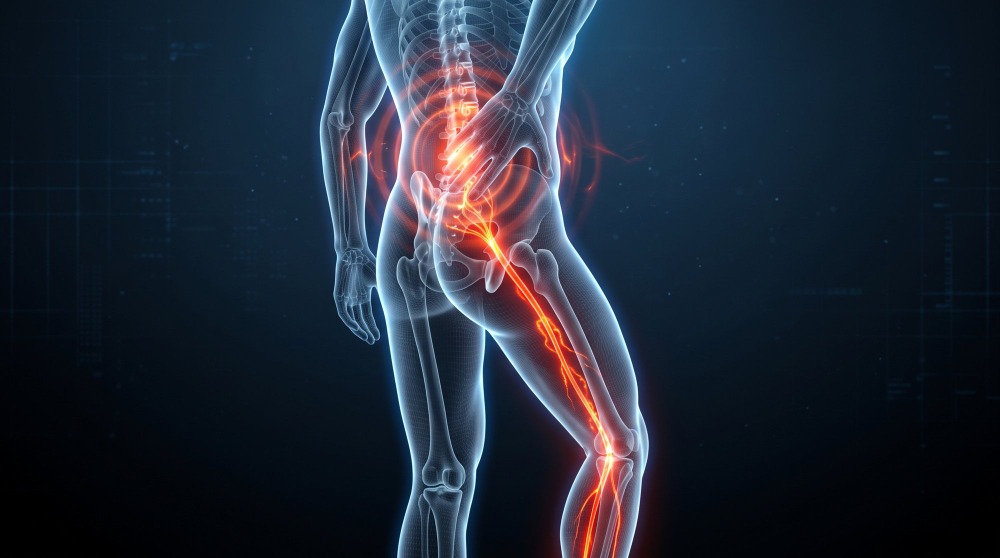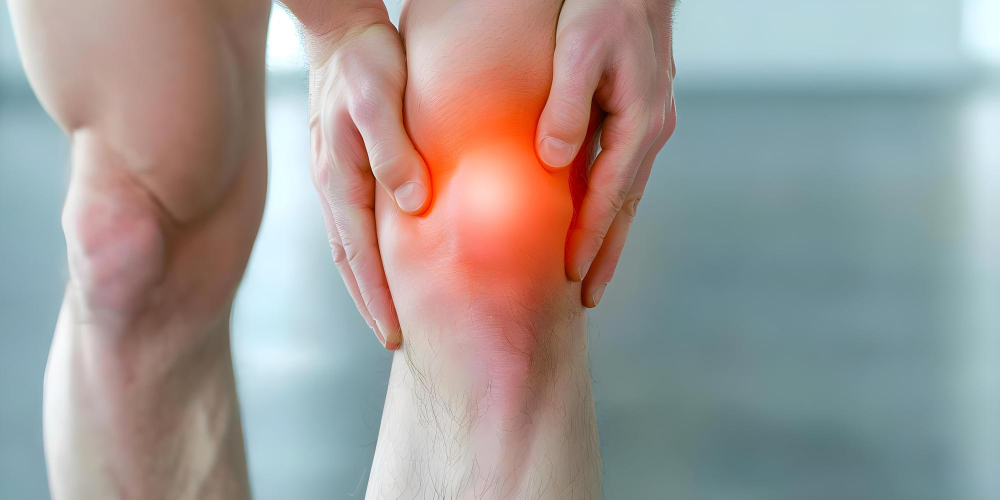

Knee osteoarthritis is a common joint condition that can cause pain, stiffness, swelling, and difficulty moving the knee. It occurs when the protective cartilage in the knee joint gradually deteriorates, affecting the way the bones move against each other. Although this condition is more common among older adults, it can also affect younger people, particularly those with previous knee injuries or other risk factors.
Recognizing the early symptoms of knee osteoarthritis can help you seek medical advice and explore appropriate treatment options. If knee pain affects your daily activities, consulting a qualified healthcare professional can help you understand the condition and manage its symptoms. People searching for orthopedic care in Chennai may also explore Dr. Hariharan’s Ortho Clinic (Best Ortho Doctor in Chennai) when considering a consultation for knee-related problems.
What Is Knee Osteoarthritis?
Knee osteoarthritis is a degenerative joint condition in which the cartilage that cushions the ends of the bones gradually breaks down. As the condition progresses, changes may also occur in the underlying bone, joint lining, and surrounding tissues.
The knee joint plays an important role in walking, climbing stairs, standing, and sitting. Therefore, osteoarthritis can affect mobility and make routine activities increasingly uncomfortable.
The condition usually develops gradually. However, symptoms may vary from person to person, and not everyone experiences the same level of pain or stiffness.
Common Causes and Risk Factors of Knee Osteoarthritis
Several factors can increase the likelihood of developing knee osteoarthritis. Understanding these risk factors can help you take steps to support joint health.
1. Age-Related Changes
The risk of osteoarthritis increases with age because the structures within the joints undergo gradual changes over time. Cartilage may become less effective at cushioning the joint, while the surrounding tissues may also change.
However, knee pain in older adults does not automatically mean osteoarthritis. A proper clinical assessment is important to identify the actual cause.
2. Previous Knee Injuries
Earlier injuries, such as ligament tears, meniscus damage, or fractures involving the joint, can increase the risk of developing osteoarthritis later in life.
Even after an injury heals, changes in joint stability or cartilage may contribute to long-term problems. Appropriate rehabilitation after a knee injury can help restore strength and function.
3. Excess Body Weight
Excess body weight increases the mechanical load placed on the knee joints during everyday activities. Over time, this added stress may contribute to the development or progression of osteoarthritis.
For people who are overweight, gradual weight management may help reduce pressure on the knees and improve mobility.
4. Repetitive Joint Stress
Activities involving frequent kneeling, heavy lifting, repeated squatting, or high physical demands may increase stress on the knee joints.
The effect depends on the type of activity, its intensity, recovery time, and individual health factors. Using appropriate movement techniques and maintaining adequate muscle strength may help support joint function.
5. Family History and Genetic Factors
A family history of osteoarthritis may increase the likelihood of developing the condition. Genetic factors can influence joint structure, cartilage characteristics, and susceptibility to certain joint problems.
Although family history cannot be changed, maintaining a healthy lifestyle and seeking advice for persistent symptoms can help support long-term joint health.
Early Symptoms of Knee Osteoarthritis
Knee osteoarthritis often develops gradually. Recognizing the early symptoms can help you seek medical advice before the condition significantly affects your daily routine.
Common symptoms include:
Knee pain during movement: Discomfort that becomes noticeable while walking, climbing stairs, or standing after sitting.
Morning stiffness: Temporary stiffness after waking up or remaining inactive for a period.
Swelling: Mild swelling around the knee due to joint irritation or inflammation.
Reduced flexibility: Difficulty fully bending or straightening the knee.
Grinding sensations: A feeling or sound of creaking during joint movement.
Reduced walking tolerance: Difficulty walking longer distances because of pain or stiffness.
Joint tenderness: Sensitivity around the knee when pressure is applied.
These symptoms can also occur in other conditions. Therefore, a healthcare professional should evaluate persistent or worsening knee discomfort rather than relying on symptoms alone.
When Should You Consult an Orthopedic Doctor?
Occasional mild knee discomfort may improve with appropriate activity modification. However, recurring symptoms or increasing difficulty with movement should not be ignored.
Consider consulting an orthopedic doctor if:
Knee pain continues or repeatedly returns.
Stiffness affects your ability to walk or climb stairs.
Swelling persists or keeps recurring.
You have difficulty bending or straightening your knee.
Pain interferes with sleep, work, or daily activities.
Your walking ability gradually decreases.
Seek urgent medical attention if the knee becomes suddenly very painful and swollen, especially if it is hot or red and accompanied by fever. These symptoms may indicate an infection or another condition requiring prompt assessment.
Early evaluation can help identify the underlying problem and determine whether lifestyle changes, physiotherapy, medication, or other treatments may be appropriate.
How Is Knee Osteoarthritis Diagnosed?
An orthopedic specialist generally begins by reviewing your symptoms, medical history, previous injuries, and activity levels. The doctor may examine the knee to assess tenderness, swelling, alignment, stability, and range of motion.
Depending on the clinical findings, the following investigations may be recommended.
Physical Examination
A physical examination helps assess knee movement, joint tenderness, swelling, and any limitations affecting daily activities.
X-rays
X-rays can show changes in the joint space, bone alignment, and bone spurs associated with osteoarthritis. They may help determine the extent of structural changes in the knee.
MRI Scans
An MRI is not routinely necessary for every case of knee osteoarthritis. It may be recommended when additional information about the cartilage, meniscus, ligaments, or other structures is needed.
Additional Tests
Blood tests or joint fluid analysis may be considered when the doctor suspects another condition, such as inflammatory arthritis or joint infection.
The diagnosis is based on the overall clinical picture rather than any single test alone.
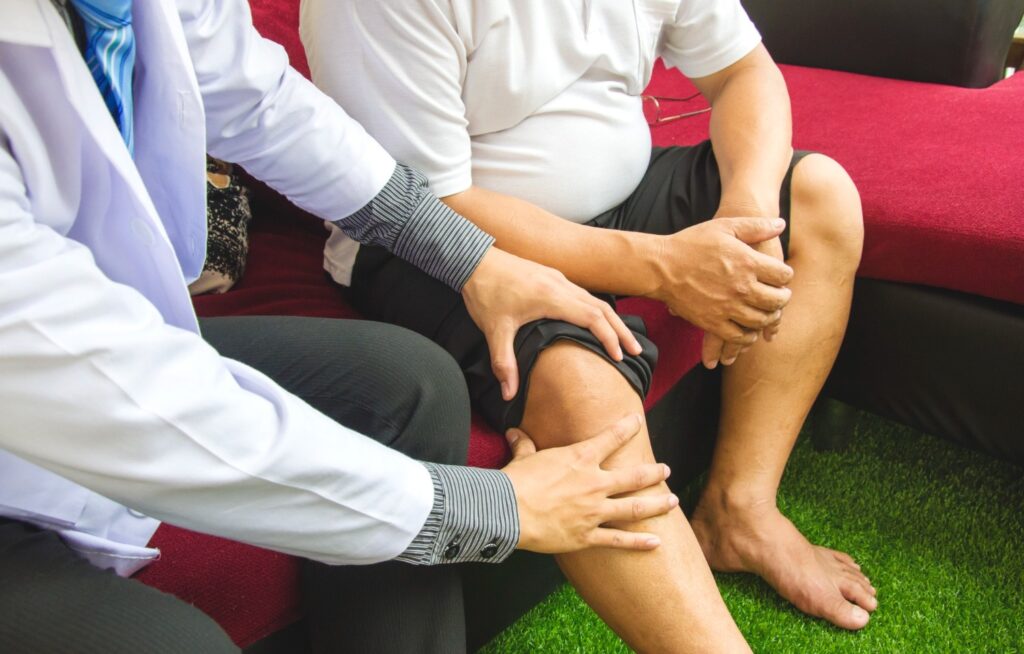
Treatment Options for Knee Osteoarthritis
There is no single treatment that works for everyone with knee osteoarthritis. The appropriate approach depends on the severity of symptoms, functional limitations, general health, and individual treatment goals.
1. Lifestyle Changes and Weight Management
Maintaining a healthy weight can reduce the load placed on the knee joints. People who are overweight may benefit from gradual weight management alongside suitable physical activity.
Modifying activities that consistently aggravate pain can also help. However, avoiding all movement may contribute to muscle weakness and stiffness.
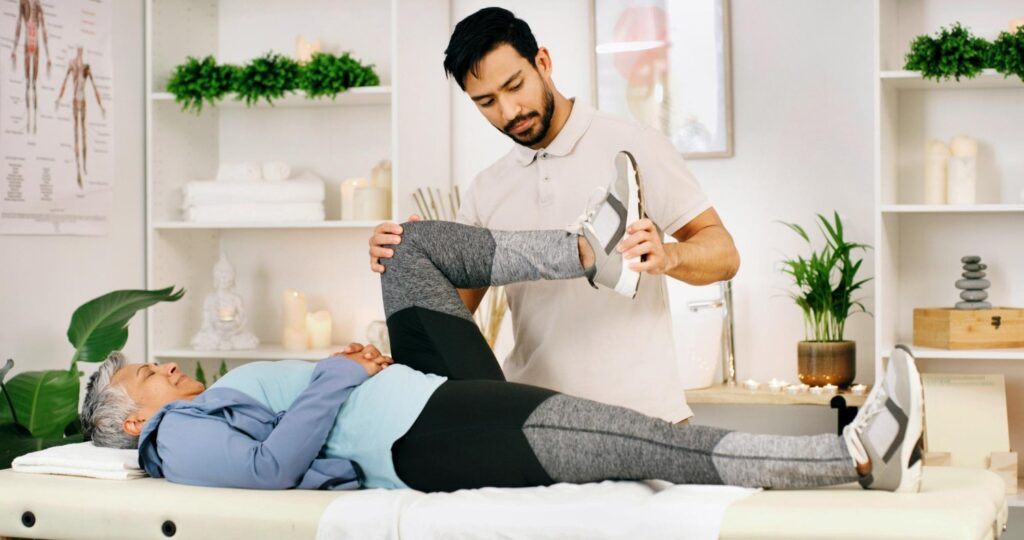
2. Physiotherapy and Exercise
Exercise is an important part of managing knee osteoarthritis. A physiotherapist may recommend activities that improve muscle strength, flexibility, balance, and joint function.
Depending on your condition, suitable activities may include:
Gentle walking as tolerated.
Low-impact aerobic exercise.
Quadriceps and hip-strengthening exercises.
Range-of-motion exercises.
Water-based exercise when appropriate.
Exercise should be adjusted to your symptoms and physical ability. Seek professional guidance if pain or swelling increases significantly.
3. Medication for Pain Relief
Healthcare professionals may recommend suitable pain-relief medications depending on the patient’s symptoms, medical history, and other medications.
Some people may benefit from topical treatments, while others may require different approaches. Medicines can have side effects, so avoid prolonged self-medication without professional advice.
4. Injections and Other Treatments
In selected cases, an orthopedic specialist may discuss injections or other interventions to help manage symptoms. The expected benefits, risks, duration of relief, and suitability vary according to the treatment and the individual patient.
No injection can guarantee that osteoarthritis will be reversed or that further joint changes will be prevented.
5. Knee Replacement Surgery
Knee replacement surgery may be considered when advanced osteoarthritis causes substantial pain and disability despite appropriate non-surgical treatment.
During the procedure, damaged joint surfaces are replaced with artificial components designed to improve function and reduce pain.
The decision depends on the severity of symptoms, the effect on quality of life, general health, and the expected benefits and risks. An orthopedic specialist can explain whether surgery is suitable and discuss alternative options.
Tips to Maintain Healthy Knee Joints
Although not every case of osteoarthritis can be prevented, healthy habits can help support joint function and overall mobility.
Maintain a healthy weight: Reducing excess weight can lower stress on the knee joints.
Stay physically active: Choose suitable low-impact activities that support strength and mobility.
Strengthen supporting muscles: Strong thigh and hip muscles help support knee function.
Avoid sudden increases in exercise: Increase activity levels gradually to reduce unnecessary strain.
Use proper movement techniques: Be mindful when lifting, squatting, or performing repetitive physical tasks.
Wear comfortable footwear: Suitable footwear can support balance and comfortable movement.
Seek advice for persistent pain: Early assessment can help identify the cause and guide appropriate treatment.
These measures can support joint health, but they do not guarantee prevention of osteoarthritis.
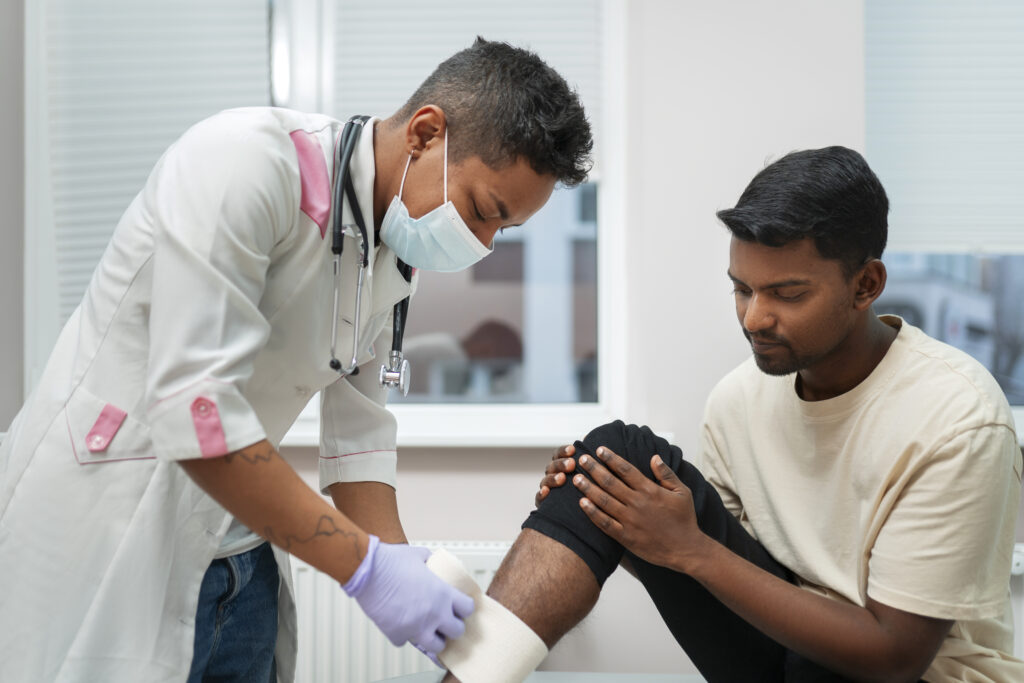
Consult Dr. Hariharan’s Ortho Clinic for Knee Pain in Chennai
Knee osteoarthritis can affect mobility, independence, and quality of life. Understanding the condition and exploring suitable treatment options can help people make informed decisions about their joint health.
If you are searching for Dr. Hariharan’s Ortho Clinic (Best Ortho Doctor in Chennai), consider contacting the clinic to enquire about orthopedic consultations for knee pain and osteoarthritis. Before booking, confirm the doctor’s qualifications, experience relevant to your condition, available diagnostic facilities, and the treatment services offered.
H&M Hospital may also be an option for medical evaluation, depending on the services available and your healthcare needs. Contact the relevant provider directly to confirm appointment availability and the appropriate department for your symptoms.
If knee pain is making walking, climbing stairs, or completing everyday tasks difficult, consider arranging a medical evaluation to understand the cause and discuss appropriate treatment options.
Frequently Asked Questions (FAQs)
1. What are the first signs of knee osteoarthritis?
Early signs may include pain during movement, stiffness after resting, mild swelling, and difficulty climbing stairs. Symptoms vary, so persistent discomfort should be evaluated by a healthcare professional.
2. Can knee osteoarthritis be cured completely?
There is currently no treatment that reliably reverses established osteoarthritis. However, exercise, weight management, medication, and selected medical procedures can help manage symptoms and improve function.
3. Is walking good for knee osteoarthritis?
Walking may be beneficial for many people with knee osteoarthritis when adjusted to their ability and symptoms. Start gradually and seek professional advice if walking causes substantial pain or swelling.
4. Does knee osteoarthritis always require surgery?
No. Many people manage their symptoms through exercise, physiotherapy, lifestyle changes, and appropriate medication. Surgery may be considered when symptoms remain severe and significantly affect daily life despite non-surgical treatment.
5. At what age does knee osteoarthritis develop?
The condition becomes more common with increasing age, but it can develop earlier, particularly after knee injuries or in people with certain risk factors.
6. Which doctor should I consult for knee osteoarthritis in Chennai?
An orthopedic specialist can evaluate knee pain, assess joint function, and discuss suitable treatment options. Consider the doctor’s qualifications, relevant experience, and available services when choosing a clinic.
Conclusion
Knee osteoarthritis is a common joint condition that can cause pain, stiffness, swelling, and reduced mobility. Recognizing the early symptoms and seeking appropriate medical advice can help you understand the condition and explore treatment options suited to your needs.
Maintaining a healthy weight, staying active, and following a suitable exercise programme can support knee function. If symptoms persist or interfere with everyday activities, consult a qualified healthcare professional. People exploring orthopedic care in Chennai can enquire about Dr. Hariharan’s Ortho Clinic and the relevant services available at H&M Hospital to determine a suitable consultation option.