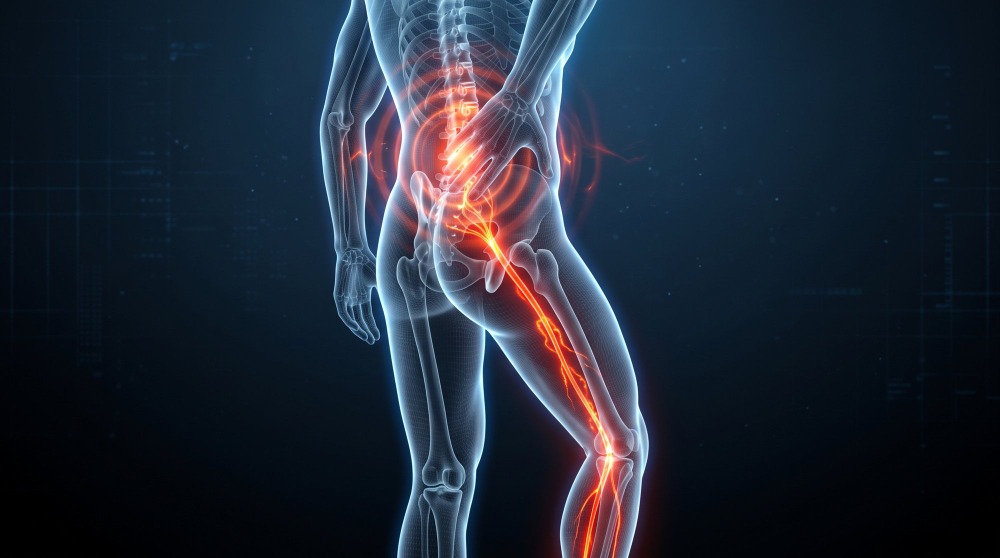


Knee pain is a common problem that affects people of different age groups. It can develop due to injuries, age-related changes, excessive physical activity, or underlying joint conditions. Although mild knee discomfort may improve with rest, persistent pain, swelling, or difficulty walking should not be ignored. Understanding the causes and early symptoms of knee pain can help you seek appropriate medical attention at the right time.
If you are experiencing ongoing knee discomfort, consulting an experienced orthopedic specialist can help identify the underlying cause and determine a suitable treatment plan. For individuals looking for orthopedic care in Chennai, Dr. Hariharan’s Ortho Clinic (Best Ortho Doctor in Chennai) is a relevant option to explore for professional orthopedic consultation.
What Is Shoulder Pain?
Shoulder pain refers to discomfort in or around the shoulder joint. It may occur in the front, back, or side of the shoulder and can sometimes extend into the upper arm. Depending on the cause, the pain may be constant, occur only during movement, or become more noticeable at night.
The shoulder is a complex joint that allows the arm to move in several directions. Muscles, tendons, ligaments, and bones work together to provide stability and flexibility. However, this wide range of movement can also make the shoulder vulnerable to injuries, inflammation, and repetitive strain.
Early evaluation can help determine whether the pain originates in the shoulder itself or is related to another condition.
Common Causes of Shoulder Pain
Several conditions can cause shoulder discomfort. Identifying the underlying cause is essential for choosing the right treatment.
1. Rotator Cuff Injuries
The rotator cuff is a group of muscles and tendons that help stabilize the shoulder and control arm movements. Repetitive overhead activities, falls, and sudden injuries can irritate or damage these structures.
Common symptoms include pain when lifting the arm, weakness, and difficulty reaching overhead. Some people also experience discomfort while sleeping on the affected side.
2. Frozen Shoulder
Frozen shoulder, also known as adhesive capsulitis, causes stiffness and pain in the shoulder joint. The condition develops when the tissues surrounding the joint become thickened and tight, restricting movement.
People with frozen shoulder may find it difficult to reach behind their back, comb their hair, or lift their arms. Symptoms often develop gradually and may take several months or longer to improve.
3. Shoulder Tendinitis
Shoulder tendinitis occurs when a tendon becomes irritated, often due to repetitive movements or excessive strain. Activities such as swimming, painting, weightlifting, and frequent overhead work may contribute to tendon problems.
Pain may become more noticeable when raising the arm or performing repeated shoulder movements. Treatment depends on the affected tendon and the severity of the symptoms.
4. Shoulder Bursitis
Bursae are small, fluid-filled sacs that reduce friction between tissues around a joint. When a shoulder bursa becomes inflamed, it can cause pain and tenderness.
Shoulder bursitis may make it uncomfortable to lift the arm, reach overhead, or lie on the affected side. A healthcare professional can assess whether bursitis or another shoulder condition is responsible for the symptoms.
5. Shoulder Dislocation
A shoulder dislocation occurs when the upper arm bone moves out of its normal position in the shoulder socket. It can happen following a fall, a sports injury, or a sudden impact.
Symptoms may include severe pain, visible changes in the shape of the shoulder, swelling, and an inability to move the arm normally. A suspected dislocation requires urgent medical assessment. Do not attempt to force the joint back into position yourself.
6. Poor Posture and Repetitive Strain
Spending long hours at a desk, using a computer without proper ergonomics, or repeatedly performing overhead tasks can contribute to shoulder and upper-back discomfort.
Poor posture may increase muscle tension and aggravate existing shoulder problems. Taking regular breaks, adjusting workstation height, and maintaining comfortable shoulder positioning may help reduce unnecessary strain.
Warning Signs of Shoulder Problems
Recognizing the early symptoms of shoulder problems can help you decide when to seek medical advice.
Common warning signs include:
Persistent pain: Shoulder discomfort that continues or repeatedly returns.
Restricted movement: Difficulty lifting, rotating, or moving the arm normally.
Muscle weakness: Trouble carrying objects or raising the affected arm.
Night pain: Discomfort that interrupts sleep or becomes worse when lying on one side.
Swelling or tenderness: Noticeable swelling or sensitivity around the joint.
Clicking or catching: Unusual sensations during shoulder movement, particularly when accompanied by pain.
Pain after an injury: Discomfort following a fall, collision, or sudden pulling movement.
These symptoms can occur in different conditions, so a clinical examination is important to determine the actual cause.
When Should You Consult an Orthopedic Doctor for Shoulder Pain?
Occasional mild shoulder discomfort may improve with rest and activity modification. However, persistent or severe symptoms should not be ignored.
Consider consulting an orthopedic doctor if:
Shoulder pain lasts more than a few days without improvement or keeps returning.
You experience difficulty lifting your arm or performing routine activities.
Shoulder stiffness progressively limits your movement.
Pain interferes with sleep, work, or exercise.
You notice weakness or persistent swelling.
Symptoms develop after a sports injury or accident.
Seek urgent medical attention if you experience severe pain following an injury, a visibly deformed shoulder, sudden loss of movement, or numbness or weakness in the arm after trauma.
Shoulder pain accompanied by chest pressure, shortness of breath, sweating, or pain spreading to the jaw or arm may indicate a heart-related emergency. Seek emergency medical help immediately rather than assuming the pain is caused by an orthopedic problem.

How Is Shoulder Pain Diagnosed?
An orthopedic specialist usually begins by reviewing your symptoms, medical history, daily activities, and any previous injuries. The doctor may examine your shoulder to assess tenderness, strength, stability, and range of motion.
Depending on the findings, additional investigations may be recommended.
Physical Examination
A physical examination helps identify movements that cause pain and assess the shoulder’s strength and flexibility. The doctor may also evaluate the neck and surrounding muscles when necessary.
X-rays
X-rays can help identify fractures, dislocations, arthritis, and certain structural changes in the shoulder joint.
Ultrasound
Ultrasound imaging may help assess rotator cuff tendons, fluid around the joint, and some other soft-tissue problems.
MRI Scans
An MRI may be recommended when a detailed assessment of tendons, ligaments, cartilage, or other soft tissues is required.
Not every patient needs imaging. The appropriate tests depend on the symptoms, examination findings, and suspected diagnosis.
Non-Surgical Treatment
Many shoulder conditions can initially be managed without surgery. Depending on the diagnosis, treatment may include:
Temporary modification of activities that aggravate the pain.
Applying a cold pack after certain injuries to help manage swelling.
Physiotherapy to improve flexibility, strength, and shoulder function.
Appropriate pain-relief medication recommended by a healthcare professional.
Guided exercises to restore movement and support recovery.
Specific treatments for inflammation or other diagnosed conditions.
Avoid keeping the shoulder completely immobile for long periods unless advised by a healthcare professional, as prolonged restriction can worsen stiffness in some conditions.
Tips to Maintain Healthy Shoulders
Simple changes in daily habits can help reduce shoulder strain and support better mobility.
Maintain good posture: Keep your shoulders relaxed and position your screen at a comfortable height while working.
Take regular breaks: Avoid remaining in the same position for extended periods.
Warm up before exercise: Prepare your muscles and joints before sports or strenuous activities.
Increase exercise gradually: Avoid sudden increases in weightlifting intensity or repetitive overhead movements.
Strengthen shoulder muscles: Follow suitable strengthening exercises recommended by a physiotherapist.
Use proper lifting techniques: Keep objects close to your body and avoid sudden twisting movements while carrying heavy loads.
Seek help for persistent pain: Do not continue activities that significantly aggravate your symptoms.
These measures can support shoulder health, but they cannot prevent every injury or replace professional assessment when symptoms persist.
Consult Dr. Hariharan’s Ortho Clinic for Shoulder Pain in Chennai
Shoulder pain can affect your ability to work comfortably, exercise, sleep, and complete everyday activities. Identifying the underlying cause is an important step toward choosing an appropriate treatment approach.
If you are searching for Dr. Hariharan’s Ortho Clinic (Best Ortho Doctor in Chennai), consider contacting the clinic to enquire about orthopedic consultations for shoulder pain. Ask about the doctor’s qualifications, experience with your specific condition, available diagnostic facilities, and treatment options.
H&M Hospital may also be an option for medical evaluation, depending on the services available and your healthcare needs. Contact the relevant provider directly to confirm appointment availability and the orthopedic services offered.
Seeking medical advice at the appropriate time can help you understand your symptoms, explore treatment options, and make informed decisions about your shoulder health.
Frequently Asked Questions (FAQs)
1. What is the most common cause of shoulder pain?
Rotator cuff problems, tendinitis, frozen shoulder, bursitis, and injuries are common causes of shoulder pain. The likely cause depends on your symptoms, age, medical history, and activities.
2. Can shoulder pain go away on its own?
Some mild cases of shoulder discomfort improve with rest and activity modification. However, persistent pain, increasing stiffness, weakness, or symptoms following an injury should be evaluated by a healthcare professional.
3. Which doctor should I consult for shoulder pain in Chennai?
An orthopedic specialist can assess shoulder joint problems, sports injuries, tendon conditions, and restricted movement. The appropriate specialist depends on your symptoms and the suspected cause.
4. Does frozen shoulder require surgery?
Most cases of frozen shoulder are initially managed with non-surgical treatments, including guided exercises, physiotherapy, and appropriate pain management. Additional procedures may be considered in selected cases if symptoms remain severe.
5. Is an MRI necessary for every shoulder problem?
No. Many shoulder conditions can be assessed through a medical history and physical examination. X-rays, ultrasound, or MRI scans may be recommended when additional information is needed.
6. How can I prevent shoulder pain while working at a computer?
Use a comfortable workstation, keep your shoulders relaxed, position your screen appropriately, and take regular movement breaks. Persistent discomfort should be assessed rather than managed through posture changes alone.
Conclusion
Shoulder pain can develop due to several reasons, including rotator cuff injuries, frozen shoulder, tendinitis, bursitis, and repetitive strain. Recognizing warning signs and seeking timely medical advice can help identify the cause and determine suitable treatment options.
If shoulder pain affects your daily routine, limits your movement, or continues despite basic care, consult a qualified orthopedic specialist. People exploring orthopedic care in Chennai can enquire about Dr. Hariharan’s Ortho Clinic and the relevant services available at H&M Hospital to determine the most appropriate option for their needs.