
Why Early Orthopaedic Care Prevents Long-Term Problems
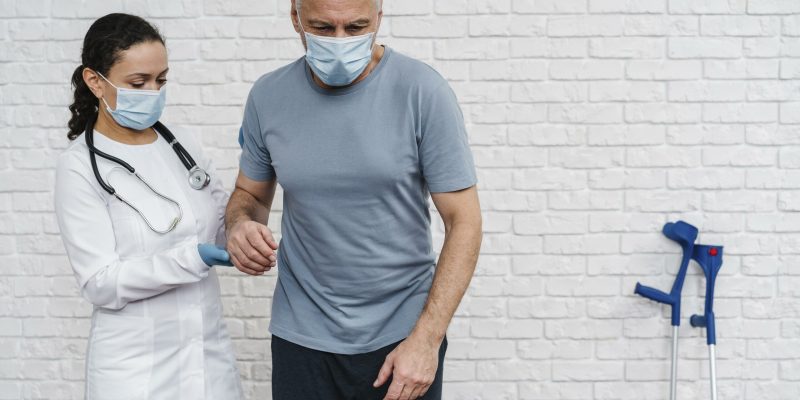
Many people ignore joint pain, back discomfort, or minor injuries thinking they will heal on their own. While some aches may improve with rest, many orthopaedic problems worsen over time when left untreated. Early orthopaedic care plays a key role in preventing long-term complications by identifying the root cause, providing the right treatment at the right time, and supporting faster recovery.
Orthopaedic specialists focus on conditions related to bones, joints, muscles, ligaments, tendons, and the spine. Getting early treatment not only reduces pain but also protects your mobility and quality of life.
Early Diagnosis Prevents the Condition from Worsening
Orthopaedic problems often start small but gradually become more serious. For example, mild knee pain may be an early sign of cartilage wear, ligament strain, or arthritis. Without diagnosis and treatment, the damage can progress and lead to chronic pain or joint degeneration.
Early consultation helps:
-
Identify the exact cause of pain
-
Detect injuries before they become severe
-
Start treatment before complications develop
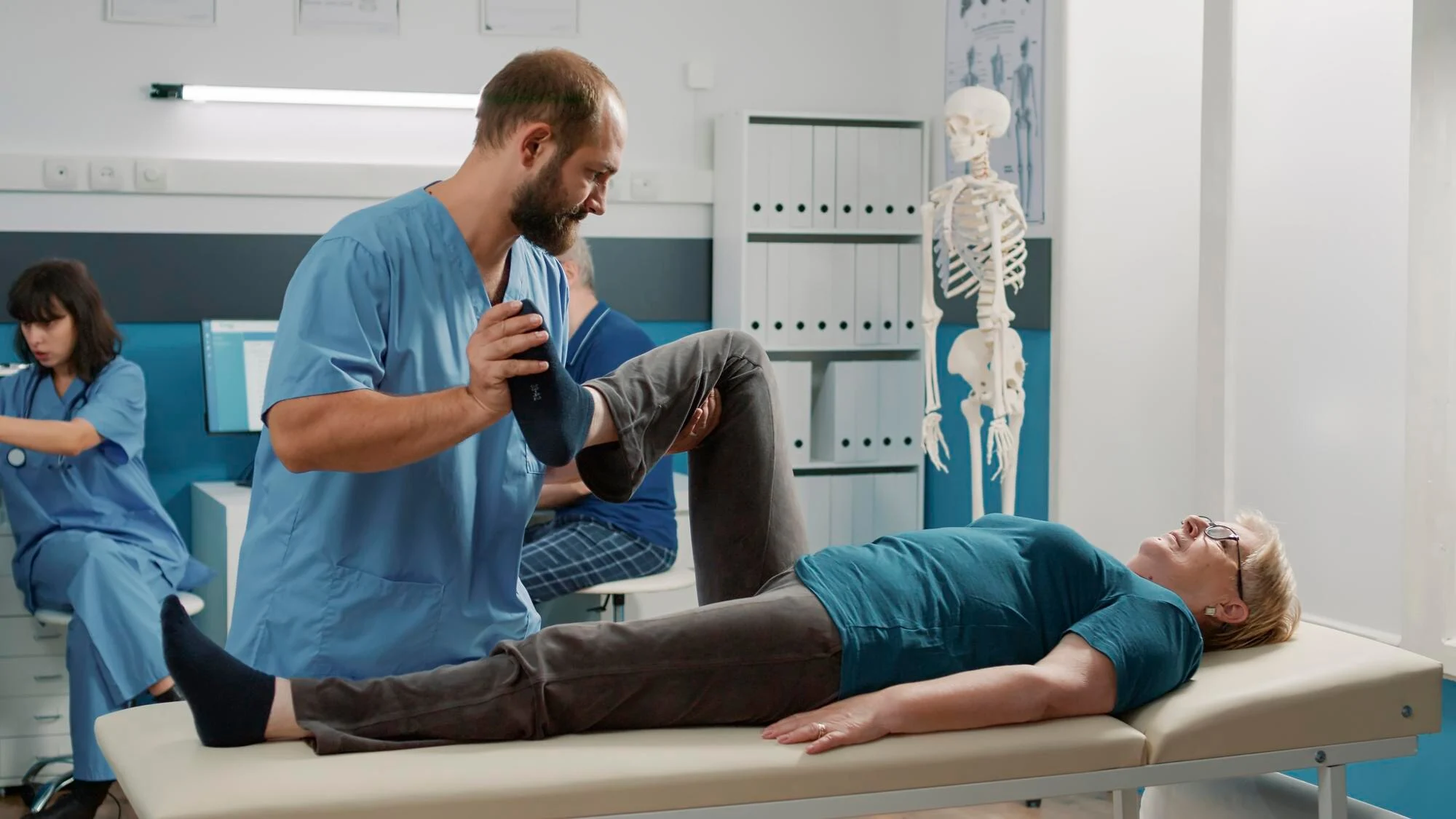
Accurate diagnosis through clinical evaluation and imaging such as X-rays, MRI, or CT scans ensures the problem is treated correctly.
Timely Treatment Reduces the Risk of Chronic Pain
Pain that lasts for weeks or months can become chronic and harder to treat. When injuries or joint conditions are ignored, the body may develop compensatory movement patterns that put extra strain on other joints and muscles.
Early orthopaedic care helps prevent:
-
Long-term nerve pain
-
Muscle stiffness and weakness
-
Reduced range of motion
-
Persistent swelling and inflammation
With the right treatment plan, patients often experience faster pain relief and improved comfort.
Early Care Helps Avoid Surgery in Many Cases
Not every orthopaedic condition requires surgery. In fact, many injuries and joint problems respond well to early non-surgical care such as:
-
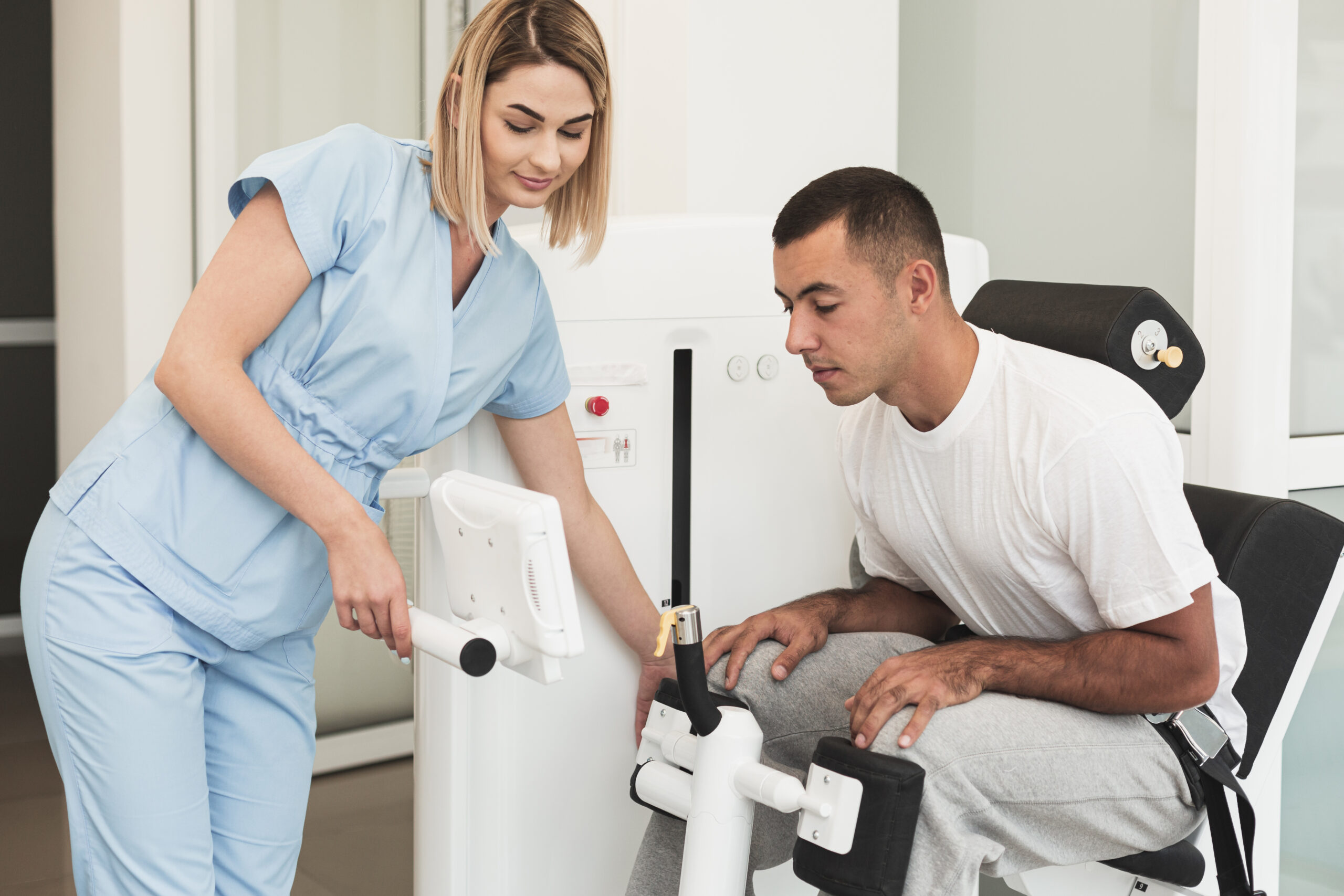
Physiotherapy and rehabilitation
-
Medication for inflammation and pain relief
-
Bracing or support
-
Lifestyle changes and weight management
-
Joint injections (when needed)
When treatment begins early, it can prevent further damage and reduce the chance of needing major surgery later.
Faster Recovery After Injuries
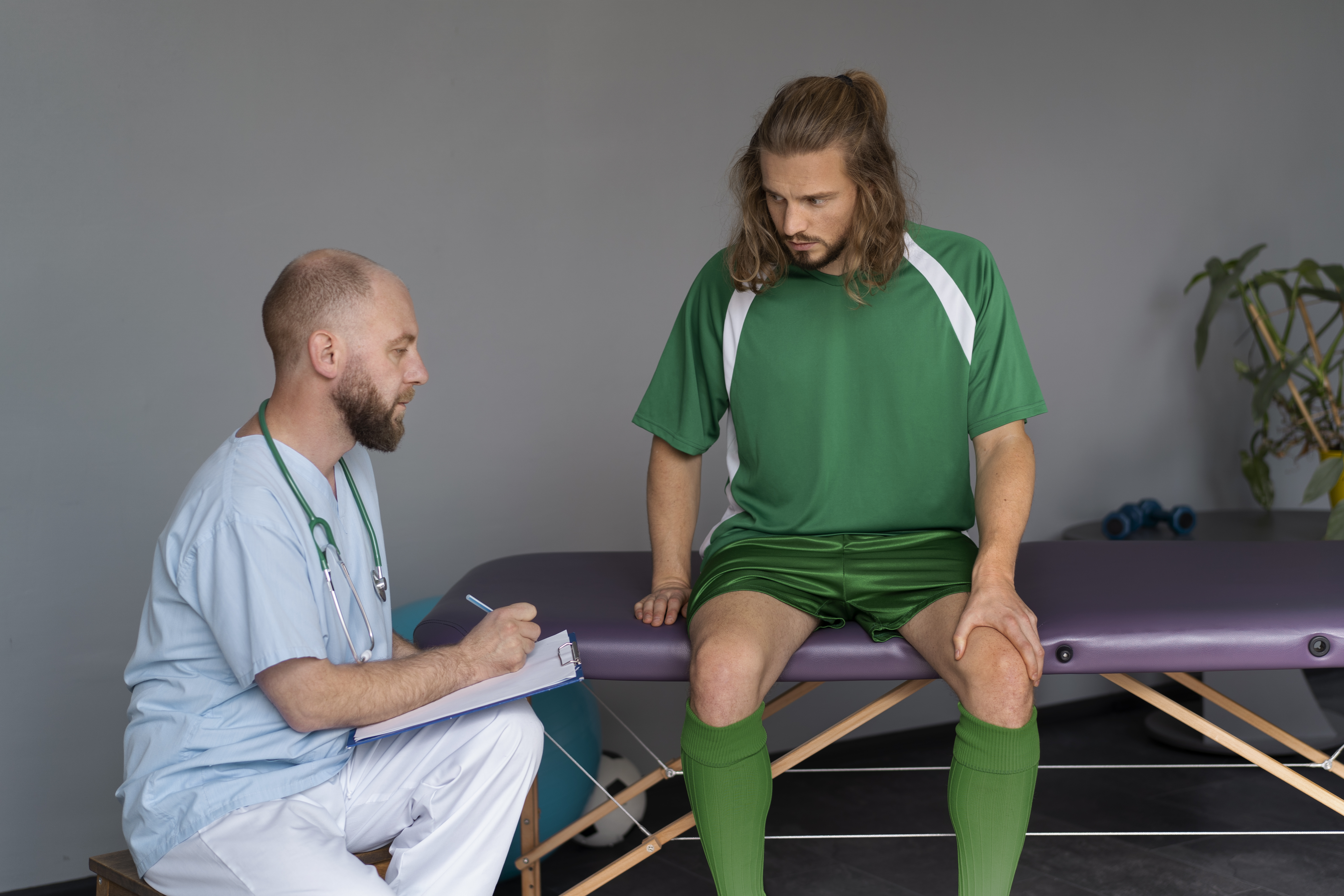
Sports injuries, falls, and workplace accidents can cause damage to ligaments, tendons, muscles, and bones. Even small injuries can lead to long-term instability if not treated properly.
Early orthopaedic care ensures:
-
Proper assessment of the injury
-
Correct treatment and immobilization if needed
-
A structured rehabilitation plan
-
Safe return to activity
This reduces the risk of repeated injuries and improves overall recovery.
Protecting Joint Health and Mobility
Mobility is essential for daily activities such as walking, climbing stairs, and working comfortably. Conditions like arthritis, slipped discs, and joint degeneration can affect movement and independence.
Early orthopaedic care supports:
-
Better joint function
-
Improved flexibility and strength
-
Reduced stiffness
-
Long-term mobility preservation
This is especially important for older adults and individuals with physically demanding lifestyles.
Preventing Deformities and Long-Term Complications
Certain orthopaedic conditions can lead to structural changes when left untreated. For example:
-
Untreated fractures may heal incorrectly
-
Severe arthritis may cause joint deformity
-
Spine conditions may worsen posture and alignment
-
Ligament injuries may lead to instability
Early treatment prevents these long-term complications and helps maintain proper alignment and function.
Better Outcomes with Personalized Rehabilitation
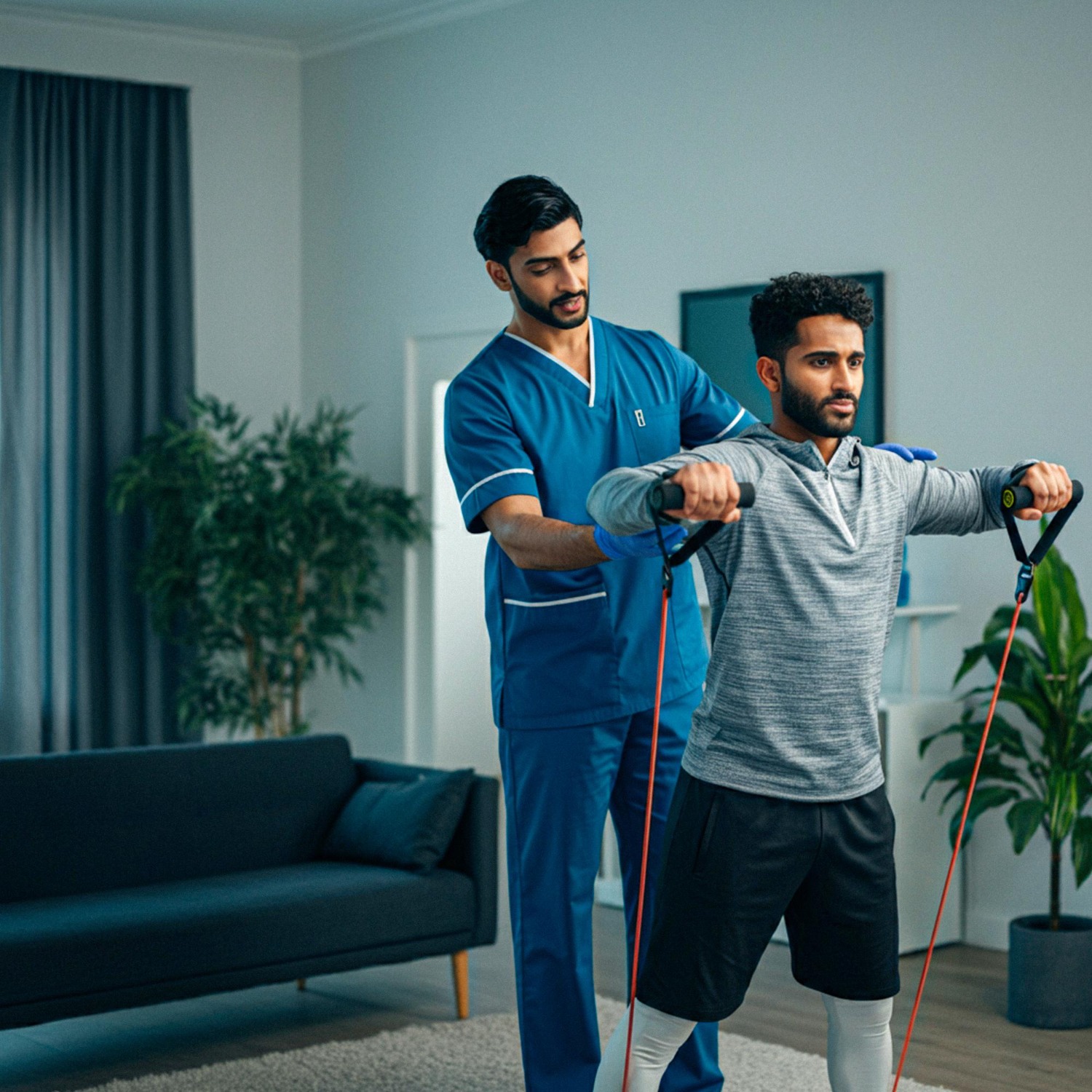
Rehabilitation is a major part of orthopaedic care. A personalized physiotherapy plan helps patients regain strength, stability, and movement safely.
Orthopaedic rehabilitation often includes:
-
Pain management
-
Muscle strengthening
-
Balance and mobility training
-
Posture correction
-
Injury prevention exercises
Early rehab improves healing and helps patients return to normal life faster.
Conclusion
Early orthopaedic care is one of the best ways to prevent long-term problems. With timely diagnosis, proper treatment, and structured rehabilitation, orthopaedic specialists help reduce pain, protect joints, restore mobility, and prevent complications that may require surgery in the future.
If you are experiencing pain, stiffness, or an injury, don’t wait for it to get worse. Consult an orthopaedic specialist early and take the first step toward stronger movement and long-term musculoskeletal health.