

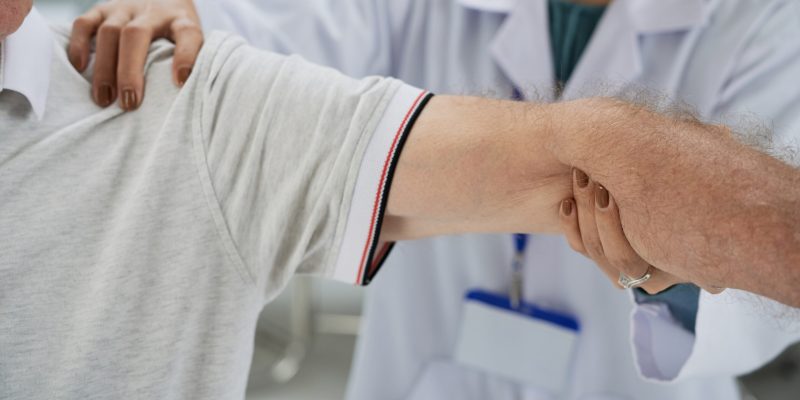
Orthopedic Services: Supporting Healthy Bones and Joints
Healthy bones and joints are essential for maintaining mobility, strength, and an active lifestyle. Whether it’s due to aging, injuries, or medical conditions, problems affecting the musculoskeletal system can significantly impact daily life. Orthopedic services play a vital role in diagnosing, treating, and preventing these issues, helping individuals regain comfort and movement.
With advancements in medical technology, orthopedic care has become more effective, offering both surgical and non-surgical solutions tailored to each patient’s needs.
What Are Orthopedic Services?
Orthopedic services focus on the diagnosis, treatment, and management of conditions related to bones, joints, muscles, ligaments, and tendons. These services aim to restore function, reduce pain, and improve overall quality of life.
Common Conditions Treated
Orthopedic specialists manage a wide range of conditions, including:
- Joint pain and arthritis
- Bone fractures and injuries
- Sports injuries and ligament tears
- Back and spine disorders
- Tendon and muscle problems
- Postural and mobility issues
Early diagnosis ensures better treatment outcomes.
Types of Orthopedic Treatments
Non-Surgical Treatments
Many orthopedic conditions can be managed without surgery, including:
- Medications for pain relief
- Physiotherapy and rehabilitation
- Lifestyle and activity modifications
- Injections for inflammation control
Surgical Treatments
For severe conditions, surgical options may be required:
- Joint replacement surgery
- Arthroscopic (minimally invasive) procedures
- Fracture repair surgeries
- Spine surgeries
Benefits of Orthopedic Care
- Relief from pain and discomfort
- Improved mobility and flexibility
- Faster recovery from injuries
- Enhanced quality of life
- Prevention of long-term complications
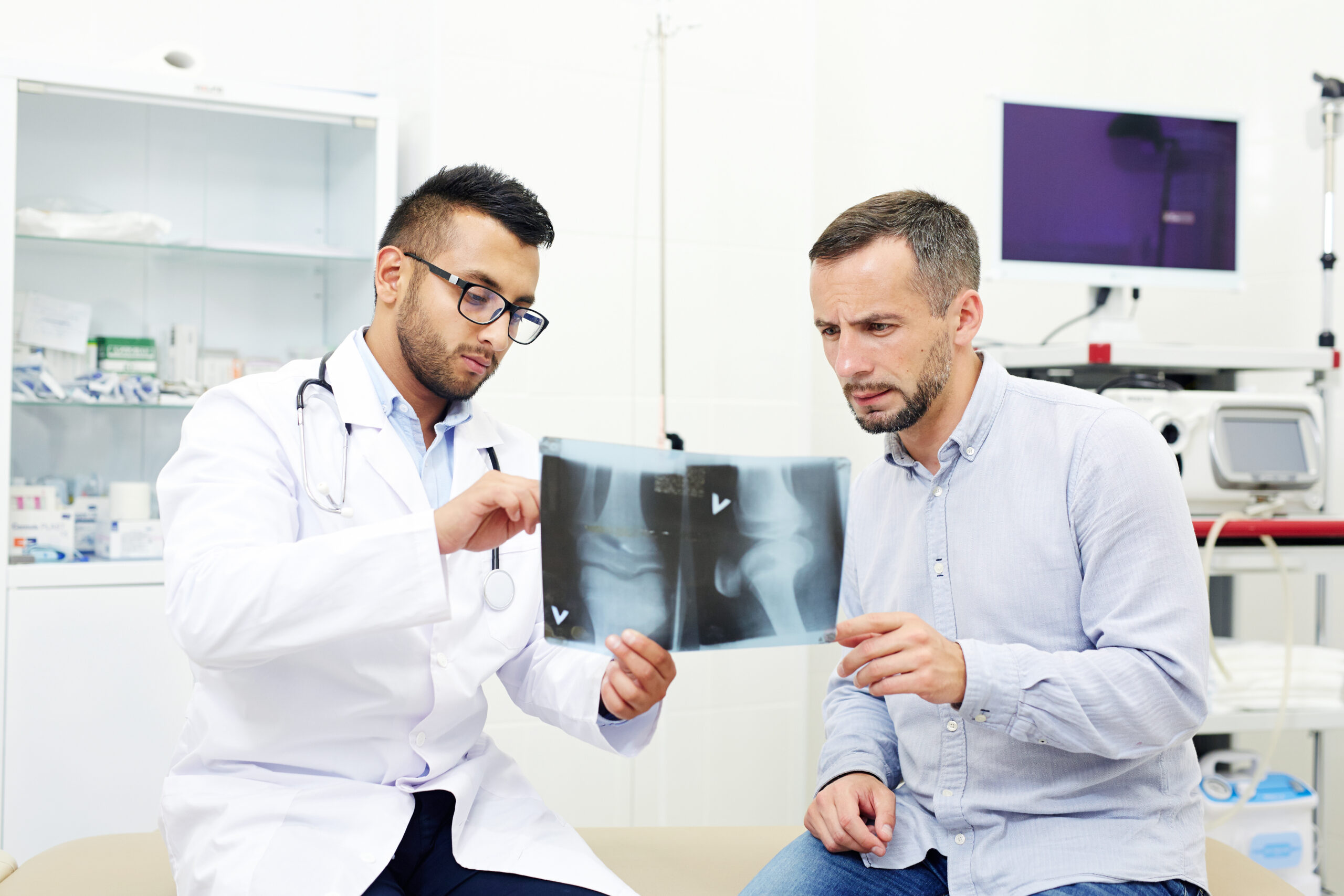

When Should You See an Orthopedic Specialist?
You should consult an orthopedic doctor if you experience:
- Persistent joint or bone pain
- Difficulty in movement or stiffness
- Swelling or inflammation
- Injuries from sports or accidents
- Chronic back or neck pain
Timely consultation can prevent serious complications.
Tips for Healthy Bones and Joints
- Maintain a balanced diet rich in calcium and vitamin D
- Exercise regularly to strengthen muscles and joints
- Maintain proper posture
- Avoid excessive strain or injury
- Stay active and maintain a healthy weight
Conclusion
Orthopedic services play a crucial role in supporting healthy bones and joints. With the right diagnosis, treatment, and rehabilitation, individuals can recover from injuries, manage pain, and maintain an active lifestyle.
Taking care of your musculoskeletal health today ensures better mobility and well-being in the future.


