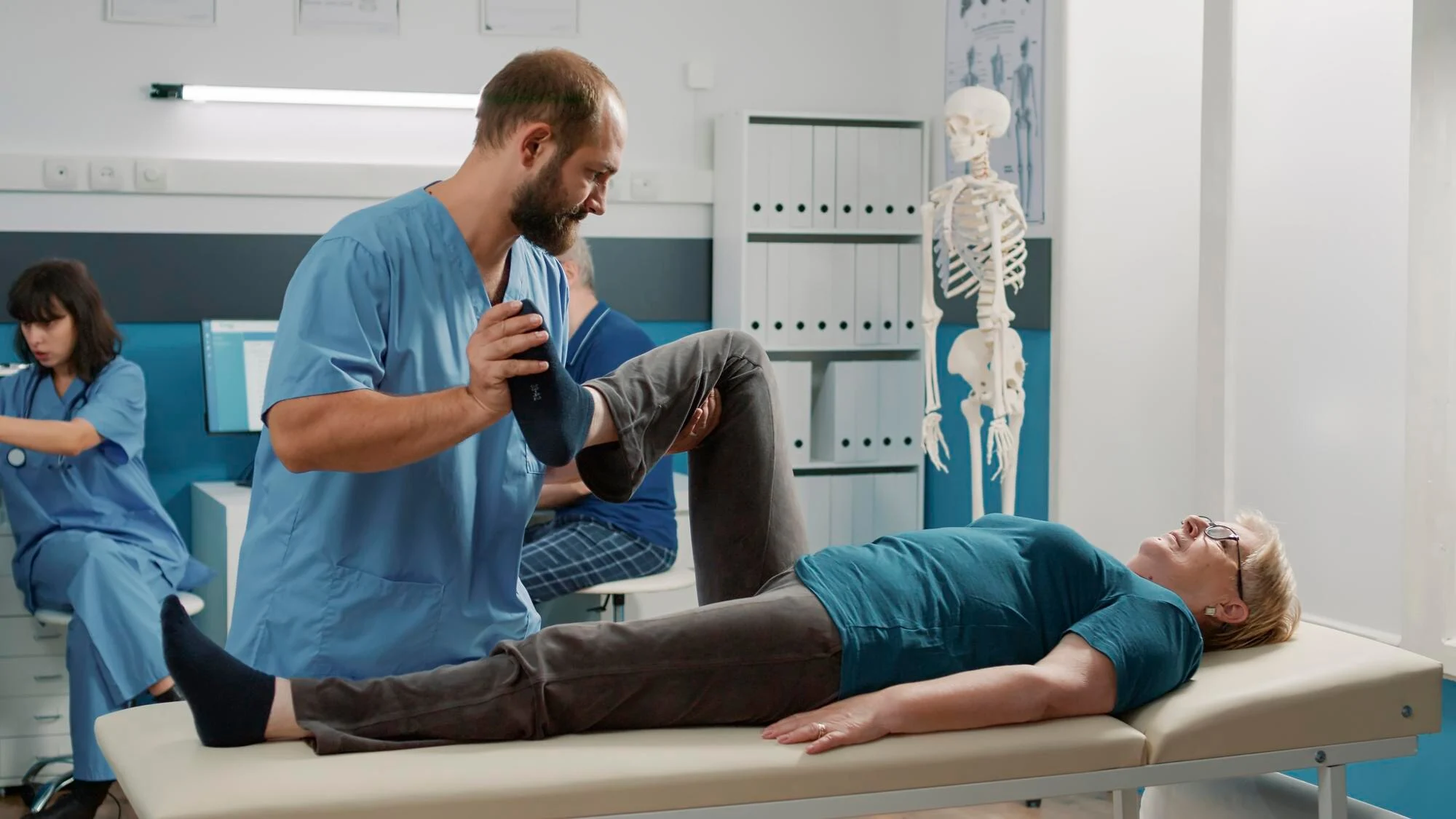


How to Choose the Right Orthopedic Doctor for Your Needs
Choosing the right orthopedic doctor is essential for effective treatment of bone, joint, and musculoskeletal problems. Whether you are dealing with chronic pain, a sports injury, or a fracture, the right specialist can make a significant difference in your recovery and long-term health.
With many options available, knowing what to look for can help you make the best decision.
What Does an Orthopedic Doctor Do?
An orthopedic doctor specializes in diagnosing and treating conditions related to bones, joints, ligaments, tendons, and muscles. They provide both surgical and non-surgical treatments for:
- Joint pain (knee, hip, shoulder)
- Fractures and injuries
- Arthritis and osteoporosis
- Spine and back problems
- Sports injuries
Understanding their role helps you choose the right expert for your condition.
Key Factors to Consider When Choosing an Orthopedic Doctor
Experience and Qualifications
Look for a doctor with strong educational background and years of experience in treating orthopedic conditions. Experienced doctors can provide accurate diagnosis and effective treatment.
2. Specialization
Orthopedics has many sub-specialties such as:
- Joint replacement
- Spine care
- Sports medicine
- Pediatric orthopedics
Choose a doctor who specializes in your specific condition for better results.
3. Reputation and Patient Reviews
Check online reviews and patient feedback to understand the doctor’s reputation. Positive reviews often indicate good patient care and successful outcomes.


4. Treatment Approach
A good orthopedic doctor will explore non-surgical treatments first, such as medication, physiotherapy, and lifestyle changes, before recommending surgery.
5. Hospital or Clinic Facilities
Ensure the doctor is associated with a well-equipped hospital or clinic that offers advanced diagnostic and treatment facilities.
6. Communication and Comfort
Choose a doctor who listens to your concerns, explains your condition clearly, and makes you feel comfortable throughout the treatment process.
7. Accessibility and Follow-Up Care
Consider the doctor’s availability for appointments and follow-ups. Ongoing care is important for recovery and long-term health.
Questions to Ask Your Orthopedic Doctor
Before finalizing your choice, you can ask:
- What is the exact cause of my condition?
- What are the treatment options available?
- Is surgery necessary or are there alternatives?
- How long will recovery take?
- What lifestyle changes should I follow?
These questions help you make an informed decision.
Common Mistakes to Avoid
- Choosing based only on cost
- Ignoring specialization
- Not checking reviews or credentials
- Delaying consultation for serious symptoms
Avoiding these mistakes ensures better treatment outcomes.
Conclusion
Selecting the right orthopedic doctor is a crucial step toward recovery and maintaining long-term bone and joint health. By considering factors like experience, specialization, and patient care, you can make a confident and informed choice.
Remember, early consultation and the right medical guidance can help you lead a pain-free and active life.