How Orthopedics Supports Faster Recovery After Injuries
Injuries to bones, joints, muscles, and ligaments can significantly affect mobility, daily activities, and quality of life. Orthopedics plays a vital role in helping patients recover faster and return to normal function through accurate diagnosis, advanced treatment methods, and structured rehabilitation. With modern medical advancements, orthopedic care today focuses not only on healing injuries but also on restoring strength, flexibility, and long-term mobility.
Accurate Diagnosis and Early Intervention
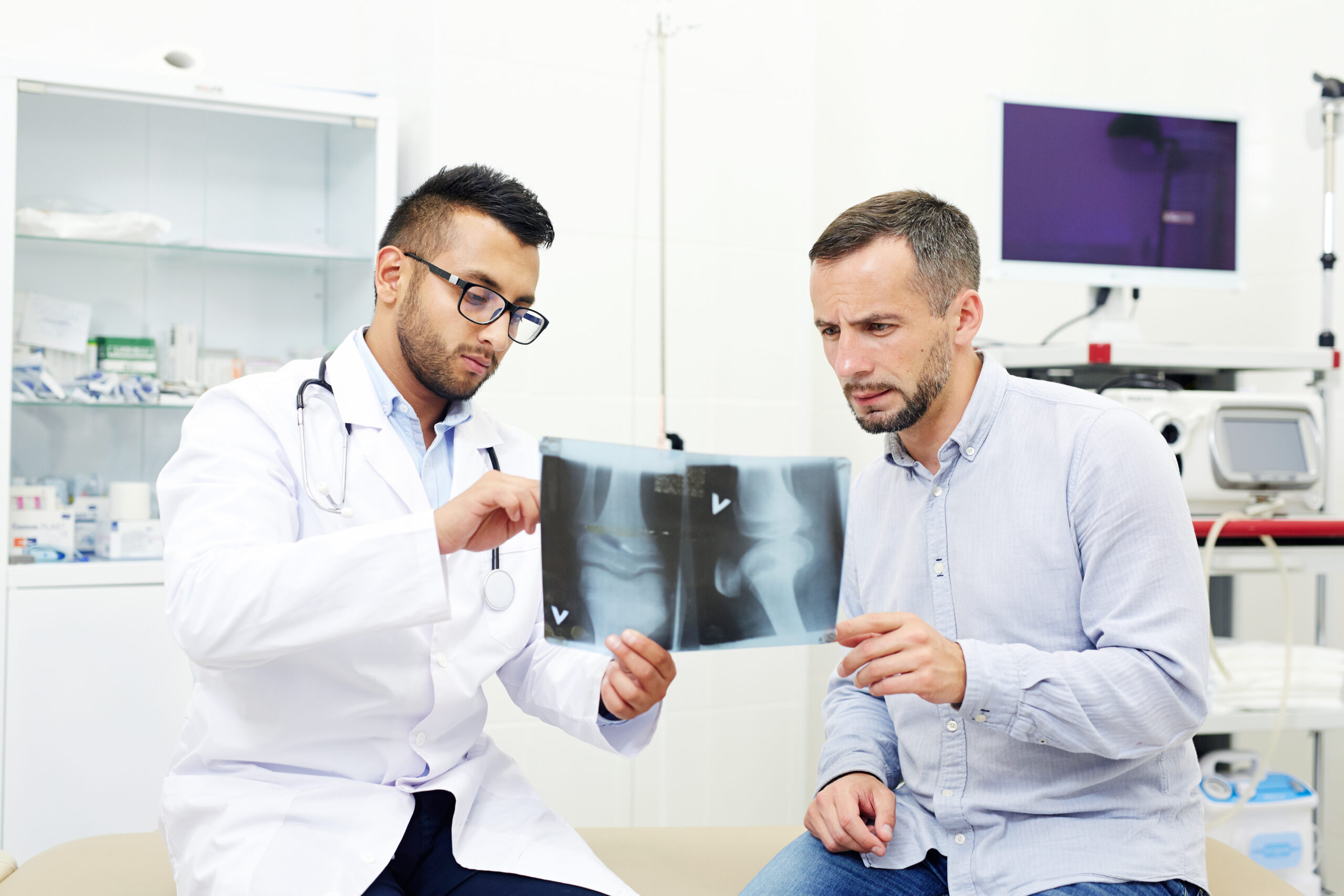
Faster recovery begins with early and accurate diagnosis. Orthopedic specialists use advanced imaging techniques such as X-rays, MRI scans, CT scans, and ultrasound to identify the exact nature and severity of injuries. Early detection allows doctors to initiate the most effective treatment plan, prevent complications, and reduce recovery time.
Personalized Treatment Plans
Every injury is unique, and orthopedics emphasizes personalized care. Based on the patient’s condition, age, activity level, and overall health, orthopedic specialists design customized treatment plans. These may include non-surgical management, minimally invasive procedures, or surgical intervention when required. Tailored care ensures optimal healing and faster functional recovery.
Minimally Invasive Orthopedic Procedures
Advancements in orthopedic techniques have significantly improved recovery outcomes. Minimally invasive procedures such as arthroscopy allow surgeons to treat joint injuries with smaller incisions, reduced pain, and minimal tissue damage. These techniques lead to shorter hospital stays, quicker healing, and faster return to daily activities and sports.
Advanced Surgical Care When Needed
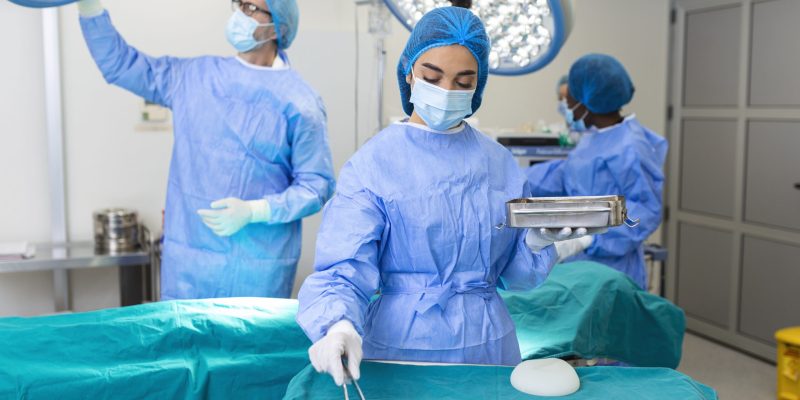
For severe injuries, fractures, or ligament tears, orthopedic surgery provides effective solutions. Modern surgical methods use precision instruments and advanced implants to stabilize bones and repair damaged tissues. Improved surgical techniques help reduce complications and accelerate post-operative recovery.
Role of Physiotherapy and Rehabilitation
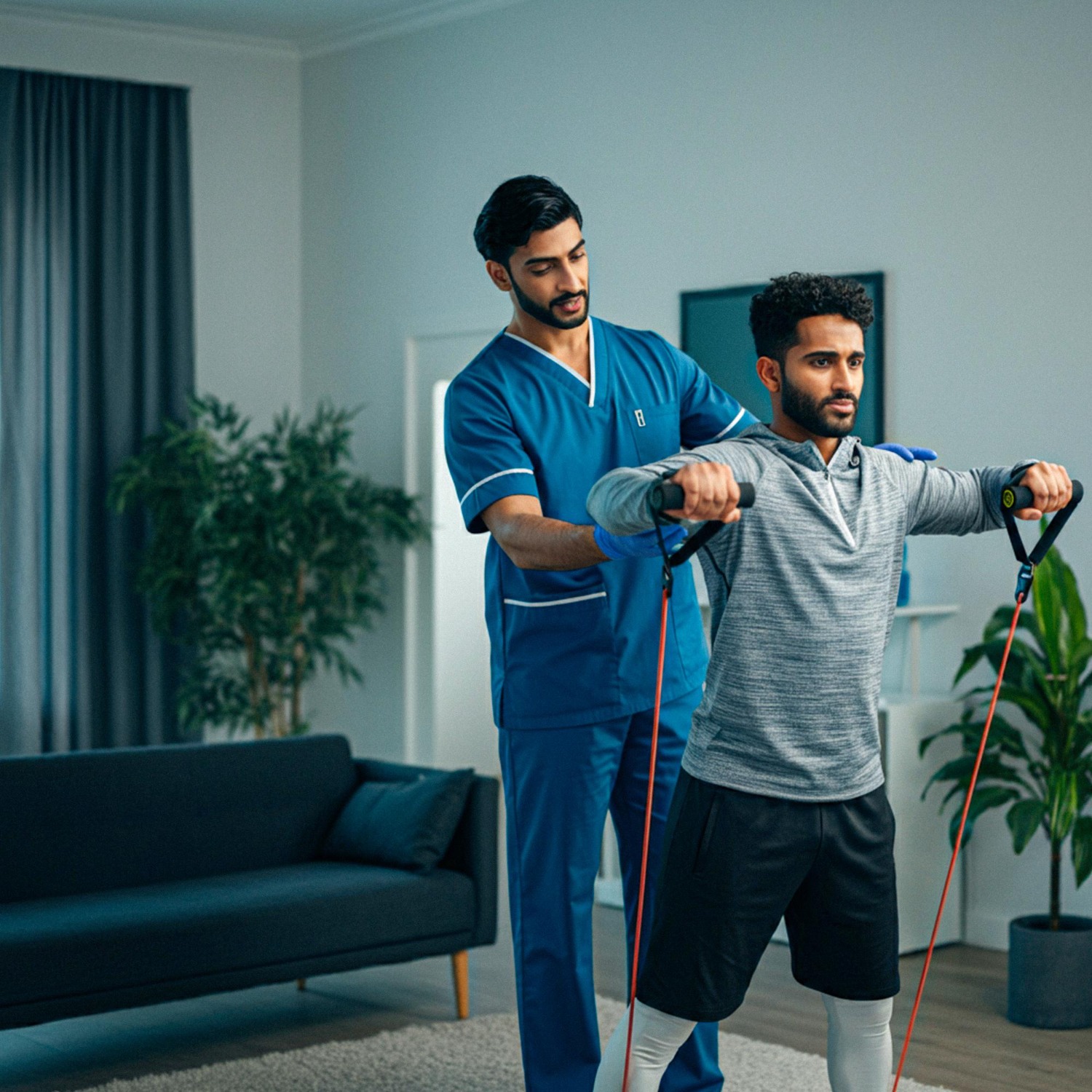
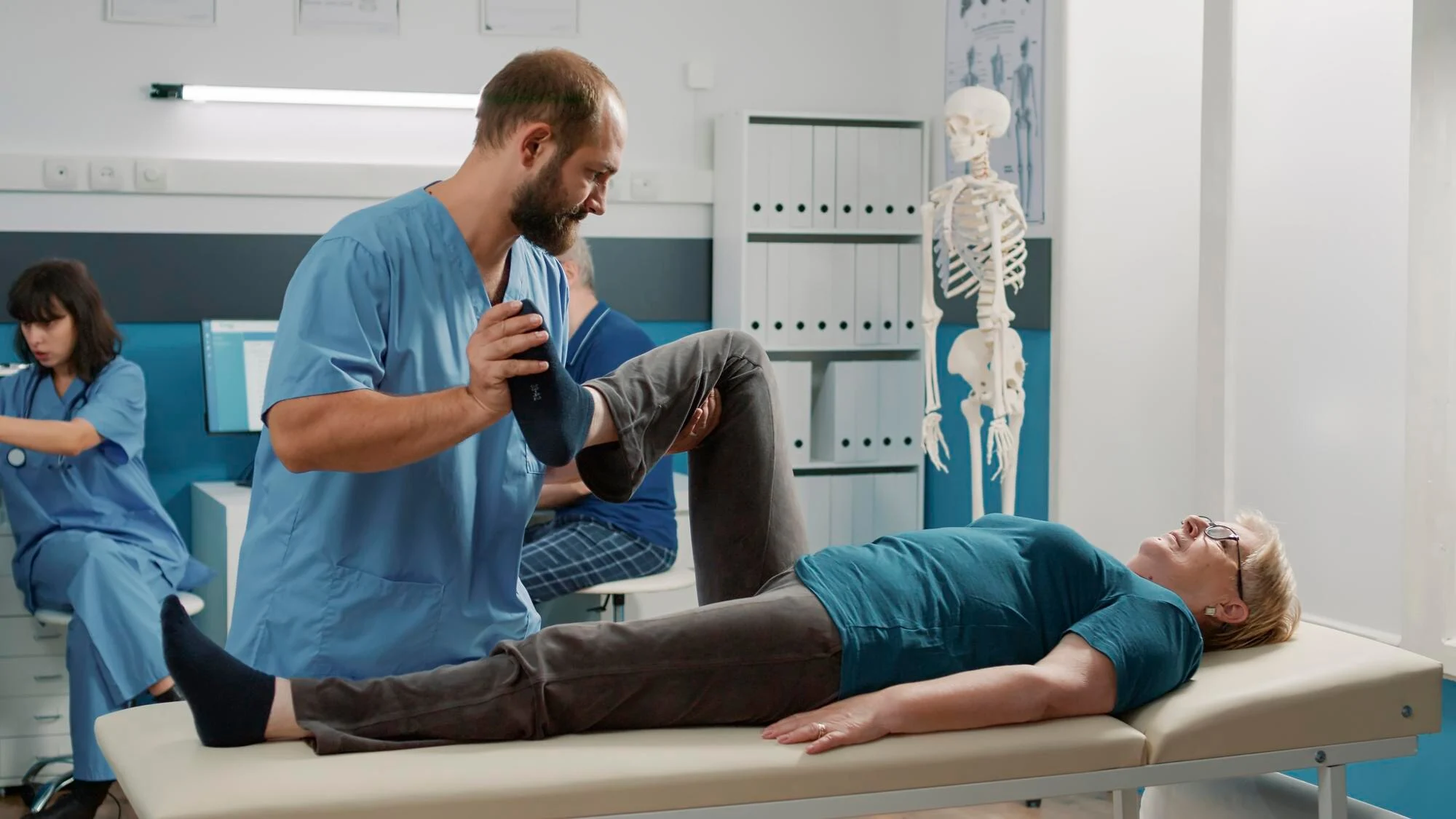
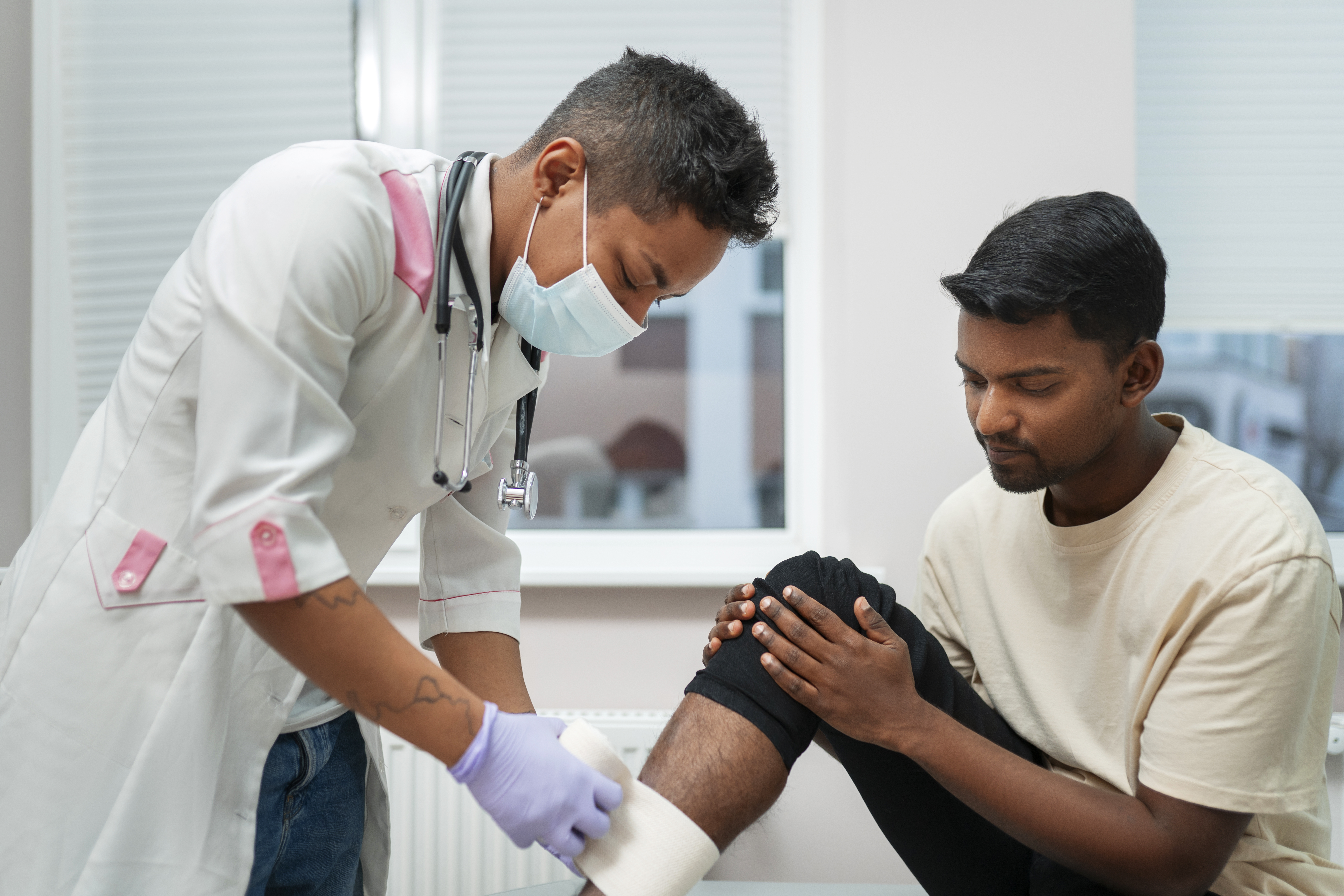
Rehabilitation is a key component of orthopedic recovery. Structured physiotherapy programs focus on restoring strength, flexibility, balance, and joint function. Orthopedic teams work closely with physiotherapists to create rehabilitation plans that support safe and gradual recovery while minimizing the risk of re-injury.
Pain Management and Inflammation Control
Effective pain management plays a crucial role in faster healing. Orthopedic care includes medications, injections, and physical therapies to reduce pain and inflammation. Managing discomfort allows patients to participate actively in rehabilitation, which speeds up recovery.
Injury Prevention and Long-Term Care
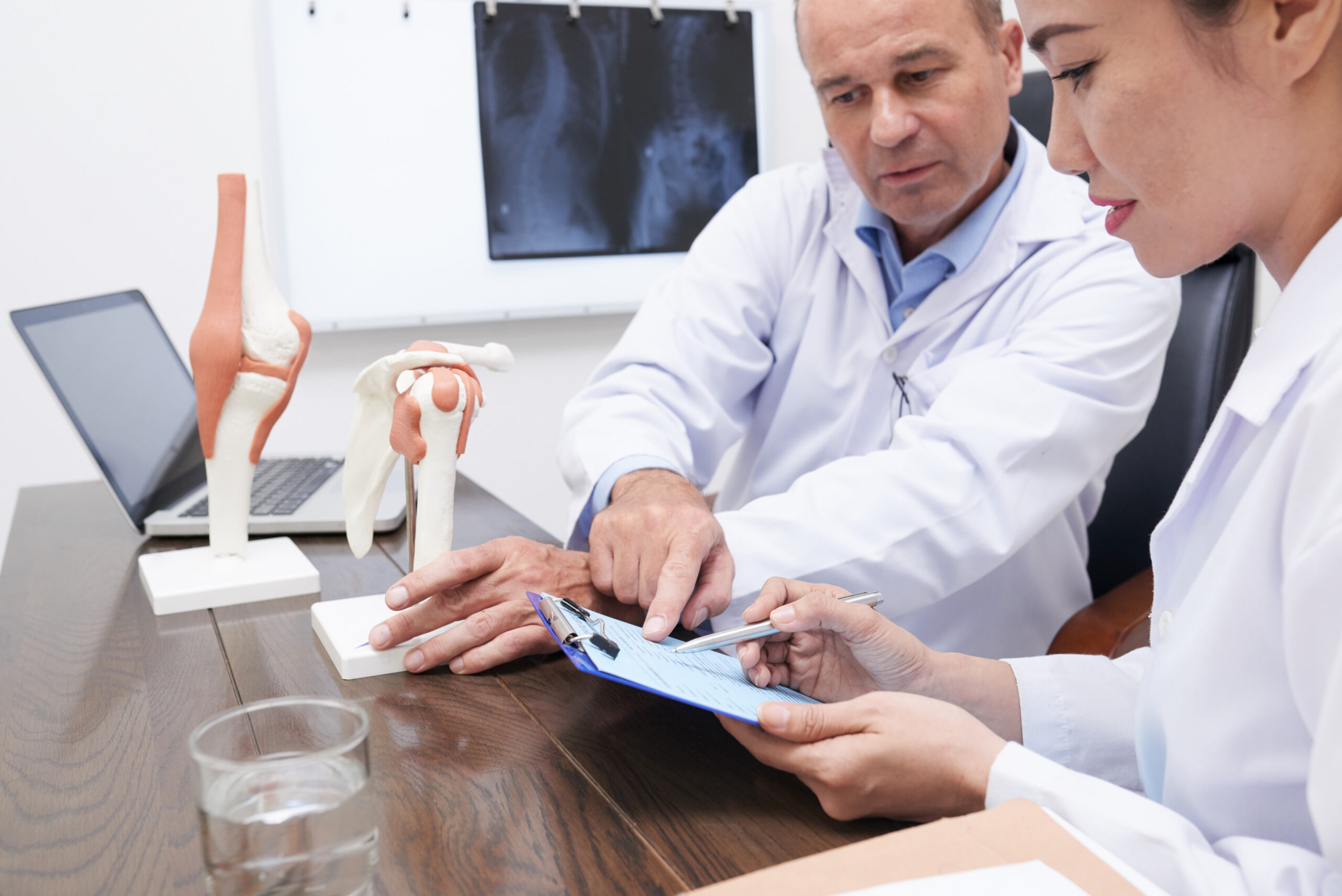
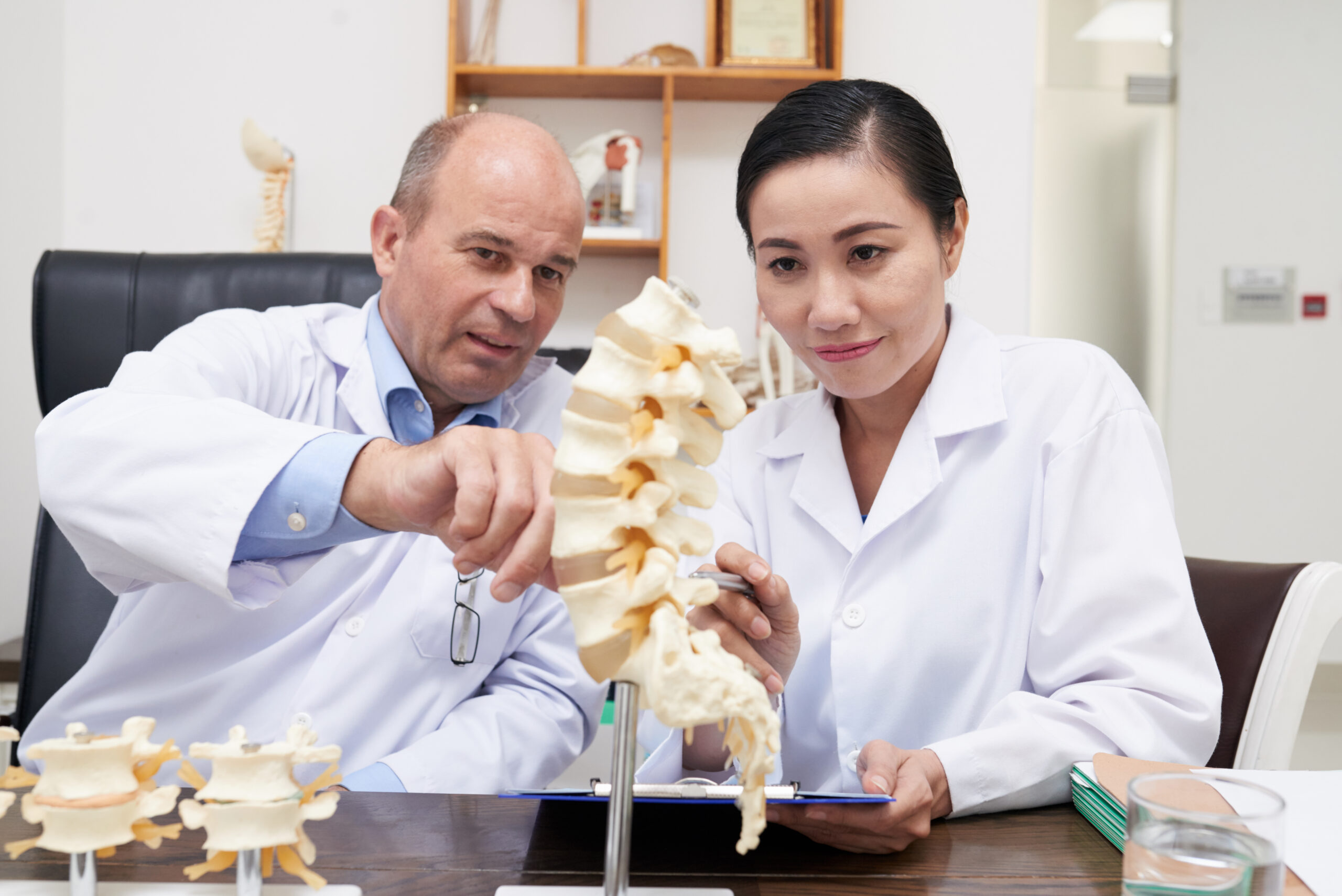
Orthopedics also focuses on preventing future injuries. Patients receive guidance on posture correction, exercise routines, lifestyle modifications, and injury-prevention strategies. Long-term follow-up care ensures sustained recovery and helps patients maintain mobility and strength.
When Should You Consult an Orthopedic Specialist?
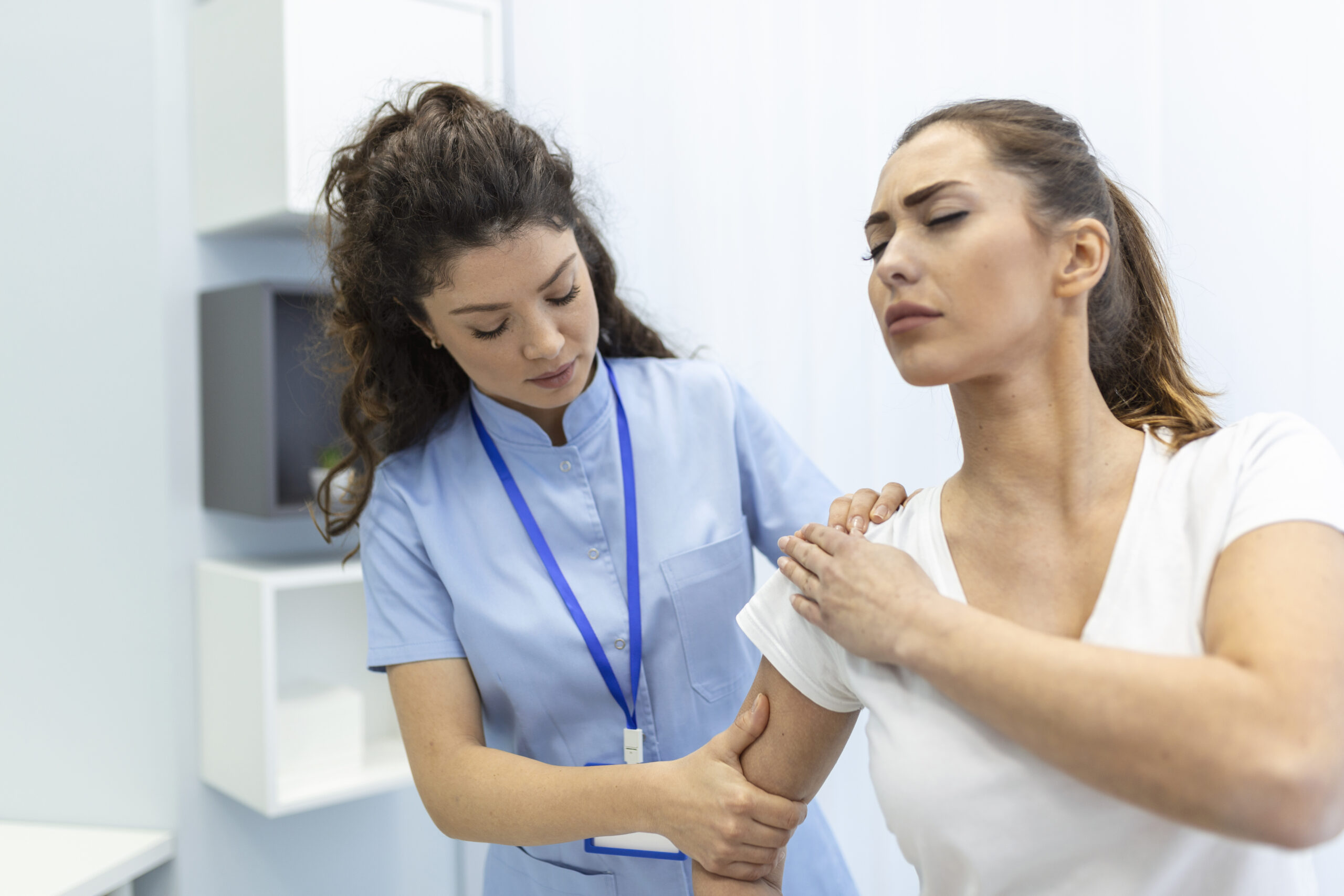
You should consult an orthopedic specialist if you experience persistent pain, swelling, limited movement, repeated injuries, or difficulty performing daily activities. Early consultation helps prevent complications and supports faster, more effective recovery.
Conclusion
Orthopedics supports faster recovery after injuries through early diagnosis, personalized treatment, advanced surgical techniques, and comprehensive rehabilitation. By addressing both immediate healing and long-term mobility, orthopedic care helps patients return to active, pain-free lives with confidence.
If you are recovering from an injury or experiencing persistent musculoskeletal pain, consult an orthopedic specialist today and take the first step toward a quicker and safer recovery.