
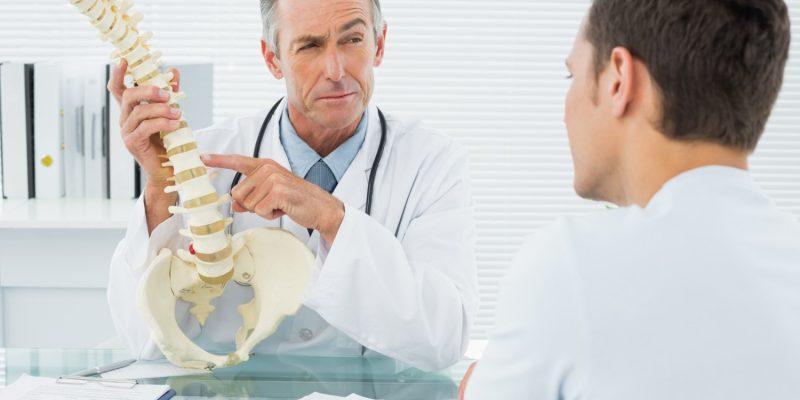
Why Orthopaedic Treatment Is Important for a Better Quality of Life
Pain-free movement is one of the most important parts of living a healthy and independent life. When joint pain, back problems, fractures, or muscle injuries affect your ability to walk, work, exercise, or even sleep comfortably, your quality of life can decline quickly. Orthopaedic treatment plays a vital role in restoring mobility, reducing pain, and helping people return to their daily routine with confidence.
Orthopaedics is a medical specialty focused on the diagnosis and treatment of conditions affecting bones, joints, muscles, ligaments, tendons, and the spine. Whether you are dealing with an injury, arthritis, sports-related pain, or a chronic condition, timely orthopaedic care can make a major difference in your long-term health.
Orthopaedic Care Helps Relieve Pain and Discomfort
One of the biggest reasons people seek orthopaedic treatment is persistent pain. Pain in the knee, hip, shoulder, spine, or ankle can make even simple activities difficult.
Orthopaedic specialists identify the root cause of pain and provide targeted treatment to reduce inflammation and restore comfort. Treatment may include:
Medication and pain management
Physiotherapy and strengthening exercises
Joint injections (when needed)
Bracing or supportive devices
Advanced procedures for long-term relief
By addressing the cause early, orthopaedic care helps prevent pain from becoming chronic.
Restoring Mobility and Improving Daily Function
Mobility is essential for independence. When joint stiffness or injury limits movement, it affects work, home life, and personal well-being.
Orthopaedic treatment helps improve:
Range of motion
Muscle strength and balance
Joint stability
Walking and posture
Ability to perform daily tasks
This is especially important for older adults and people with active lifestyles.
Preventing Long-Term Joint Damage
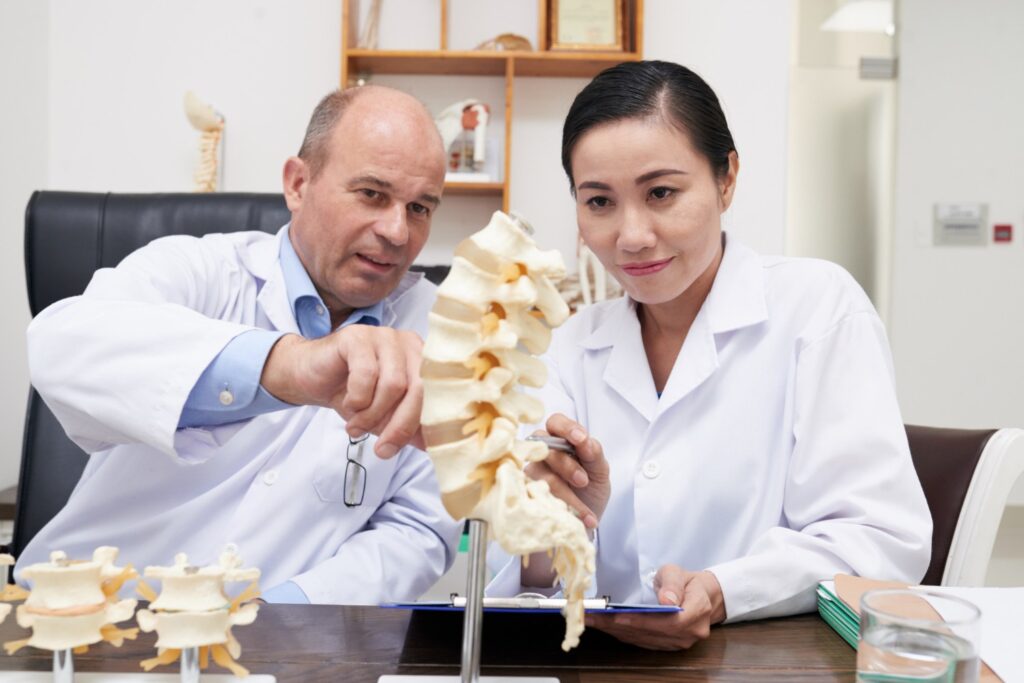
Many orthopaedic problems worsen when left untreated. Conditions such as arthritis, ligament injuries, cartilage damage, or spine issues can progress and lead to permanent damage.
Early orthopaedic care helps:
Slow down joint degeneration
Prevent deformities and instability
Reduce the risk of repeated injuries
Protect long-term joint and bone health
Timely treatment ensures better outcomes and helps avoid future complications.
Faster Recovery After Injuries
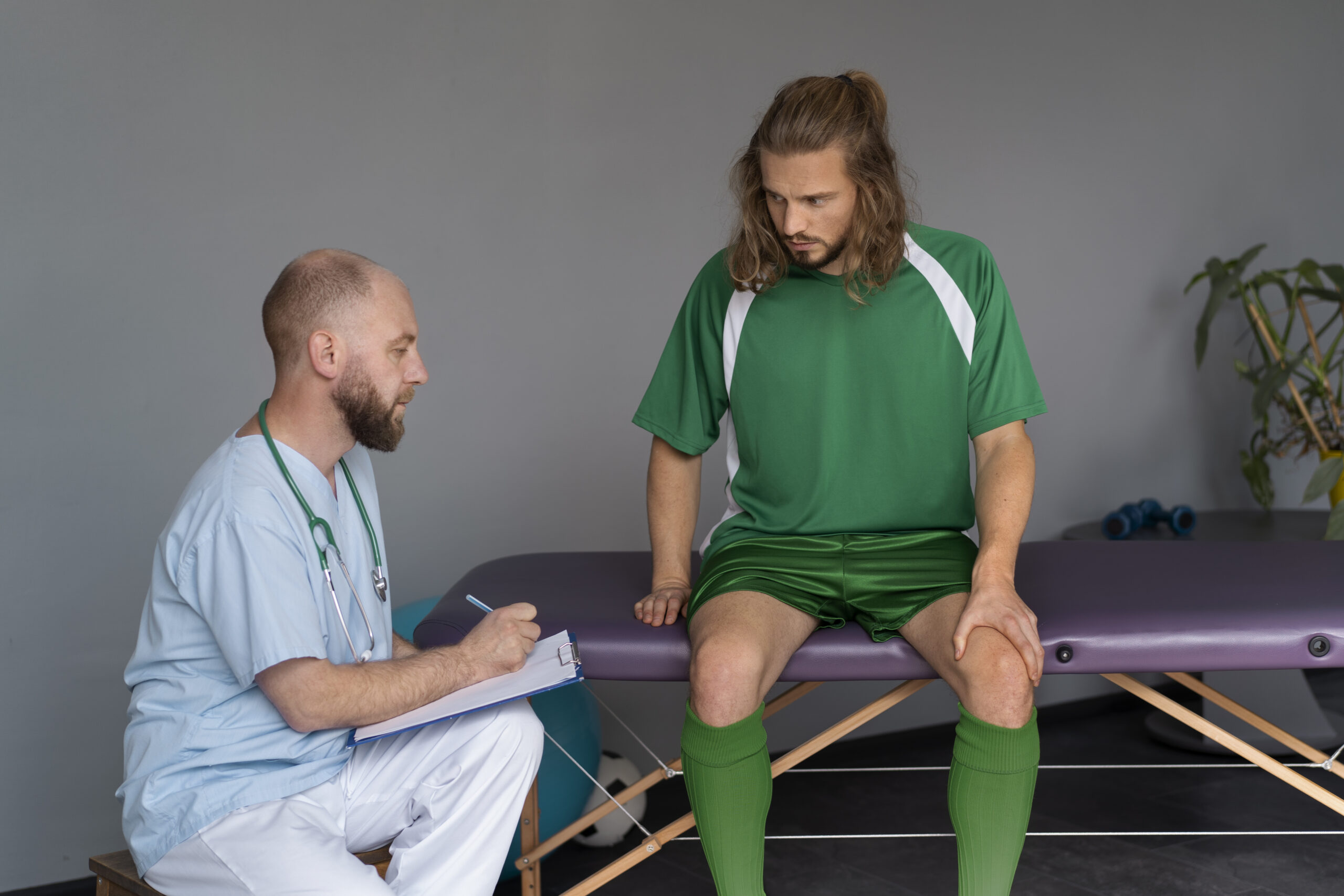
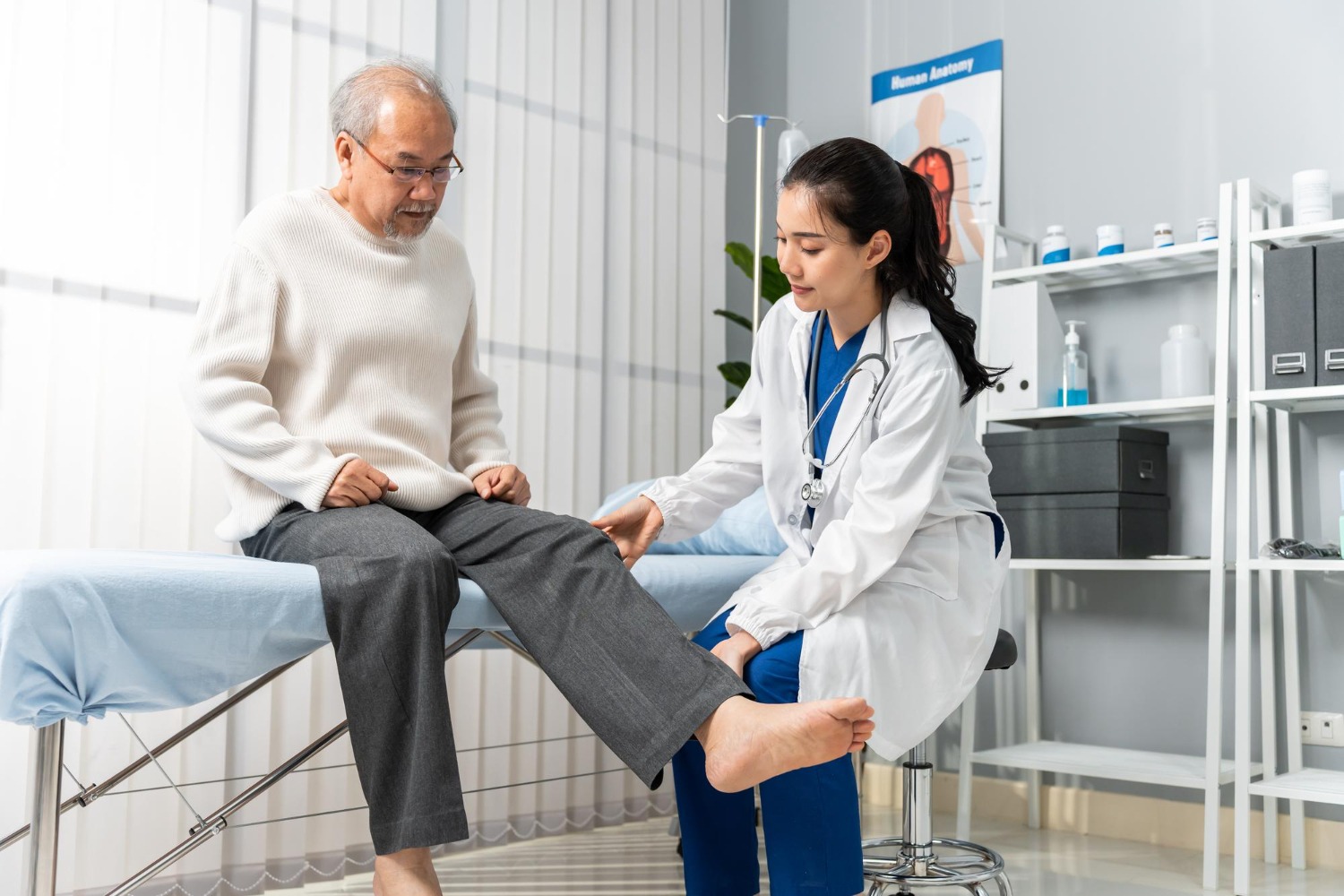
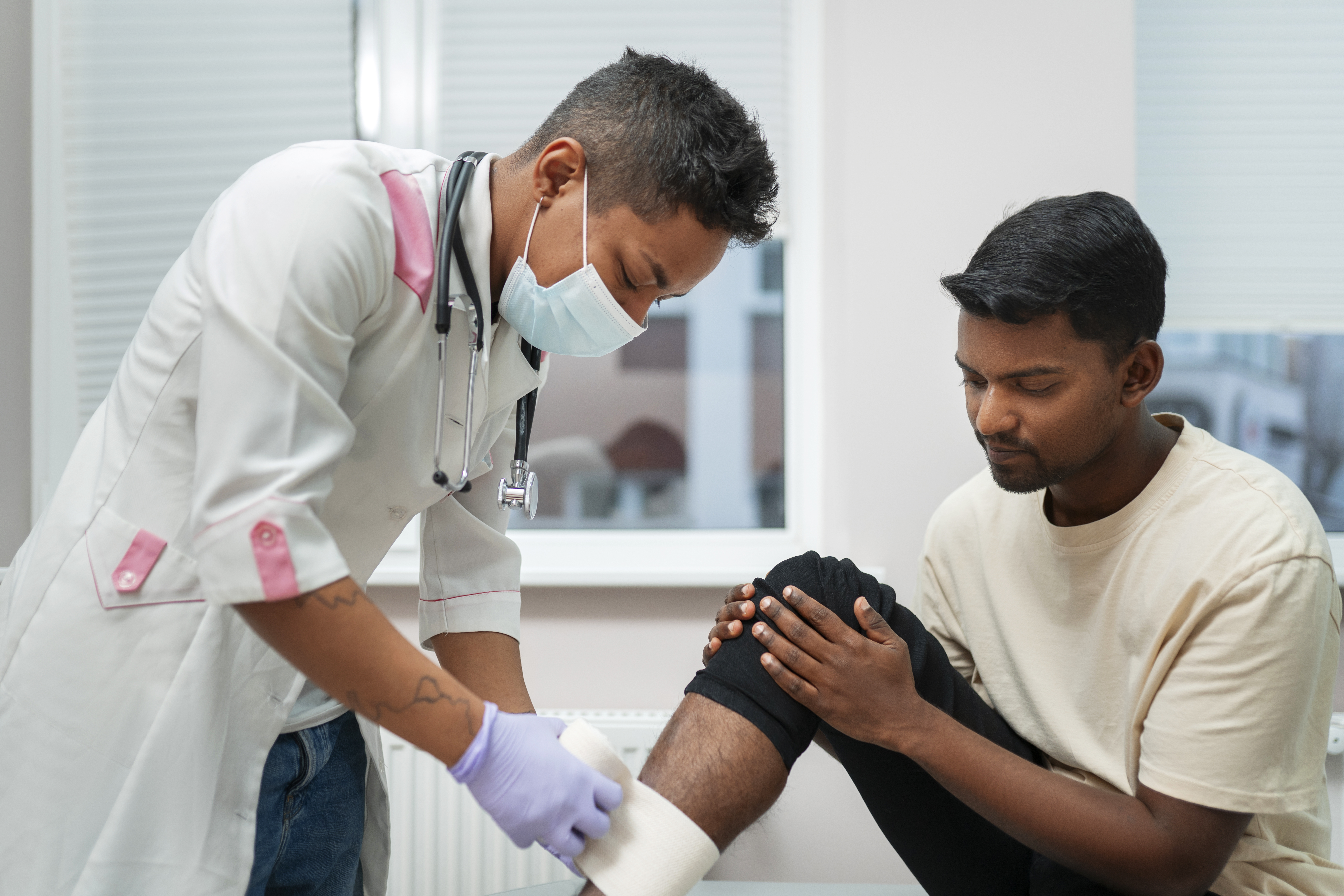
Injuries caused by falls, sports activities, or workplace accidents can affect bones, muscles, ligaments, and tendons. Even small injuries can become long-term problems if not treated correctly.
Orthopaedic doctors provide:
Accurate injury diagnosis
Proper immobilization for fractures
Safe rehabilitation programs
Guidance for returning to activity
With the right treatment plan, patients recover faster and reduce the risk of re-injury.
Advanced Treatment Options for Better Results
Modern orthopaedic care offers advanced technology and minimally invasive procedures that support faster healing and reduced downtime.
Depending on the condition, treatment may include:
Arthroscopy (keyhole surgery)
Minimally invasive spine procedures
Joint replacement surgery
Ligament repair and reconstruction
Sports injury rehabilitation programs
These advanced options improve outcomes, reduce pain, and help patients return to normal life sooner.
Complete Rehabilitation and Long-Term Support
Orthopaedic treatment does not end after surgery or medical care. Rehabilitation is a key part of recovery and long-term health.
A strong rehabilitation program helps:
Strengthen muscles around joints
Improve flexibility and posture
Restore balance and coordination
Prevent future injuries
With continuous support from physiotherapists and specialists, patients experience smoother recovery and better long-term results.
When Should You See an Orthopaedic Specialist?
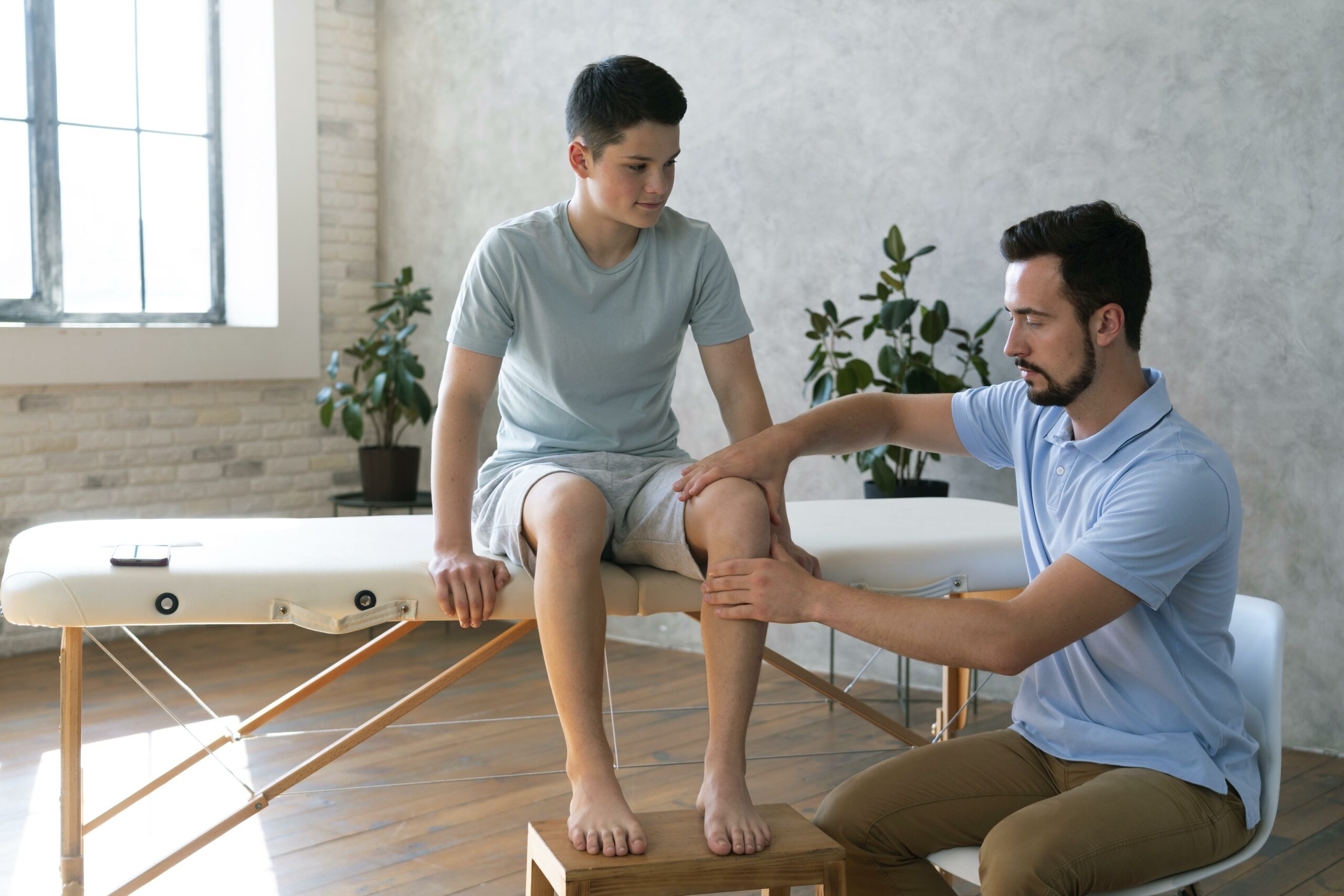
You should consult an orthopaedic doctor if you experience:
Joint pain lasting more than a few days
Difficulty walking or climbing stairs
Back or neck pain with stiffness
Swelling, tenderness, or reduced movement
Sports injuries or repeated strain
Fractures, sprains, or ligament injuries
Early consultation helps prevent complications and supports faster recovery.
Conclusion
Orthopaedic treatment is important for a better quality of life because it helps reduce pain, restore mobility, prevent long-term joint damage, and support faster recovery after injuries. With advanced diagnostic tools, personalized treatment plans, and complete rehabilitation support, orthopaedic care helps patients return to an active, independent, and pain-free life.
If you are experiencing joint pain, stiffness, or injury-related discomfort, consulting an orthopaedic specialist early can help you protect your movement and enjoy a healthier life.